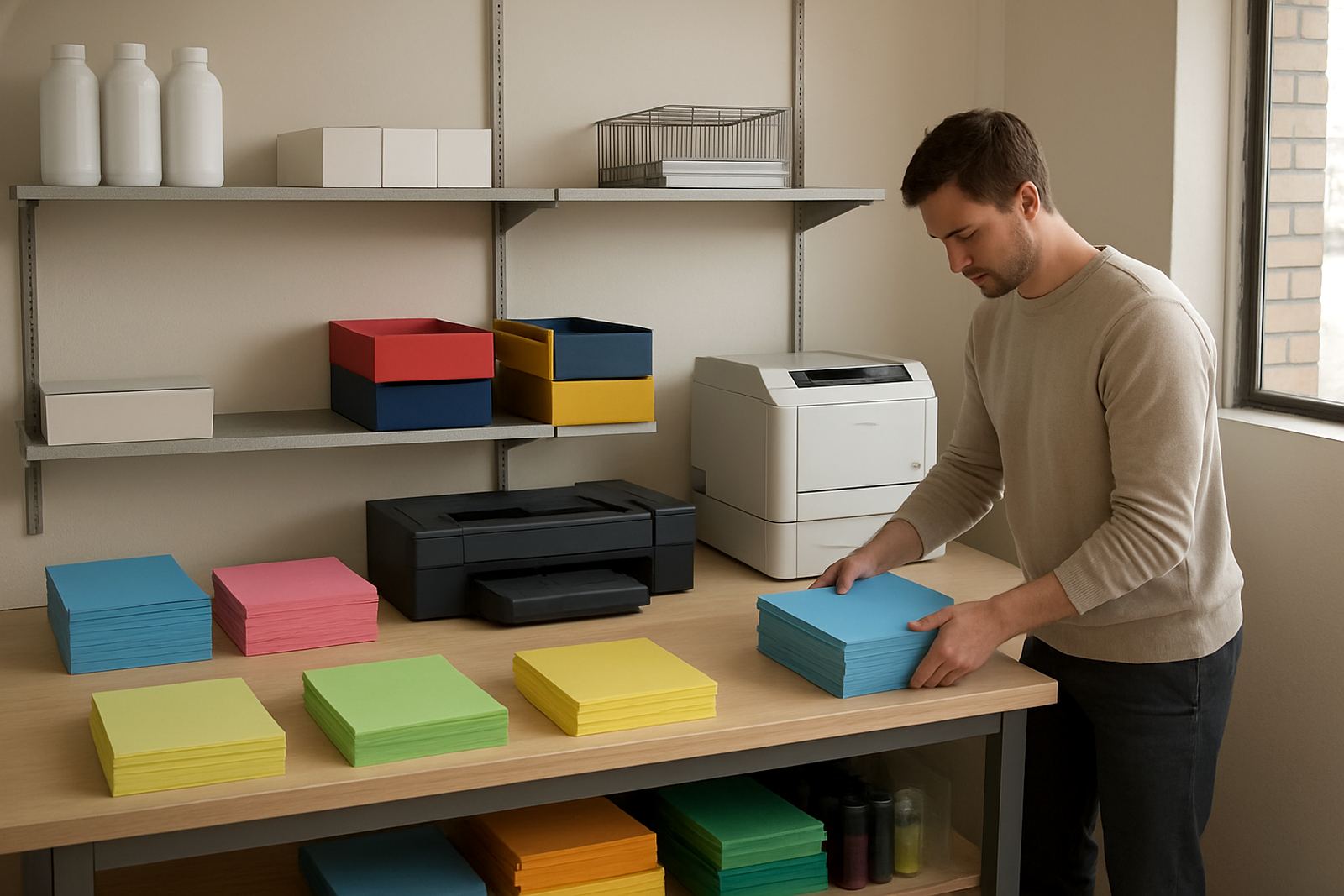
A clinic in Somerset West needed one steady print process
The client was a busy medical practice in Somerset West serving a steady flow of patients, referrals and follow up visits. Their admin team was printing a mix of colour leaflets, reception signage, treatment room notices and patient information sheets on a few older devices, which meant colour drift, mixed paper stocks and too much time spent checking every page before it went out the door.
The brief was practical. They wanted a simple way to keep colour consistent across daily admin prints, reduce waste on short run jobs and make sure the team could turn around patient facing material quickly during normal clinic hours. There was also a need to keep things tidy for audit purposes, because printed information at a clinic has to stay clear, legible and up to date.
We looked at the volume split between everyday A4 colour output and the occasional wider poster or notice. That helped us separate what should run on a desktop colour machine from what should be handled on large format equipment. The end goal was not fancy print, it was predictable print that the reception team and practice manager could trust.
Brief, constraints and what had to work in the real world
The main constraints were typical of a healthcare setting. Space was limited, the team could not afford long downtime, and the print room had to stay easy for multiple staff to use without training every new person from scratch. They also needed a setup that could cope with load-shedding interruptions and occasional courier delays on consumables, because a clinic cannot stop printing patient forms for a day while waiting on supplies.
There were three practical requirements from the start:
- Keep patient handouts readable on standard office paper and still get decent colour.
- Produce small batches of signage and notices without sending jobs out unnecessarily.
- Make ink ordering simple so the admin team did not run dry during a busy week.
We also had to allow for the kind of day to day wear that comes with a medical environment. Hands are busy, urgency is high, and the person printing is often not the same person who ordered the stock. That meant the solution had to be clearly labelled, easy to maintain and suited to staff turnover over time.
What we supplied and how the print room was set up
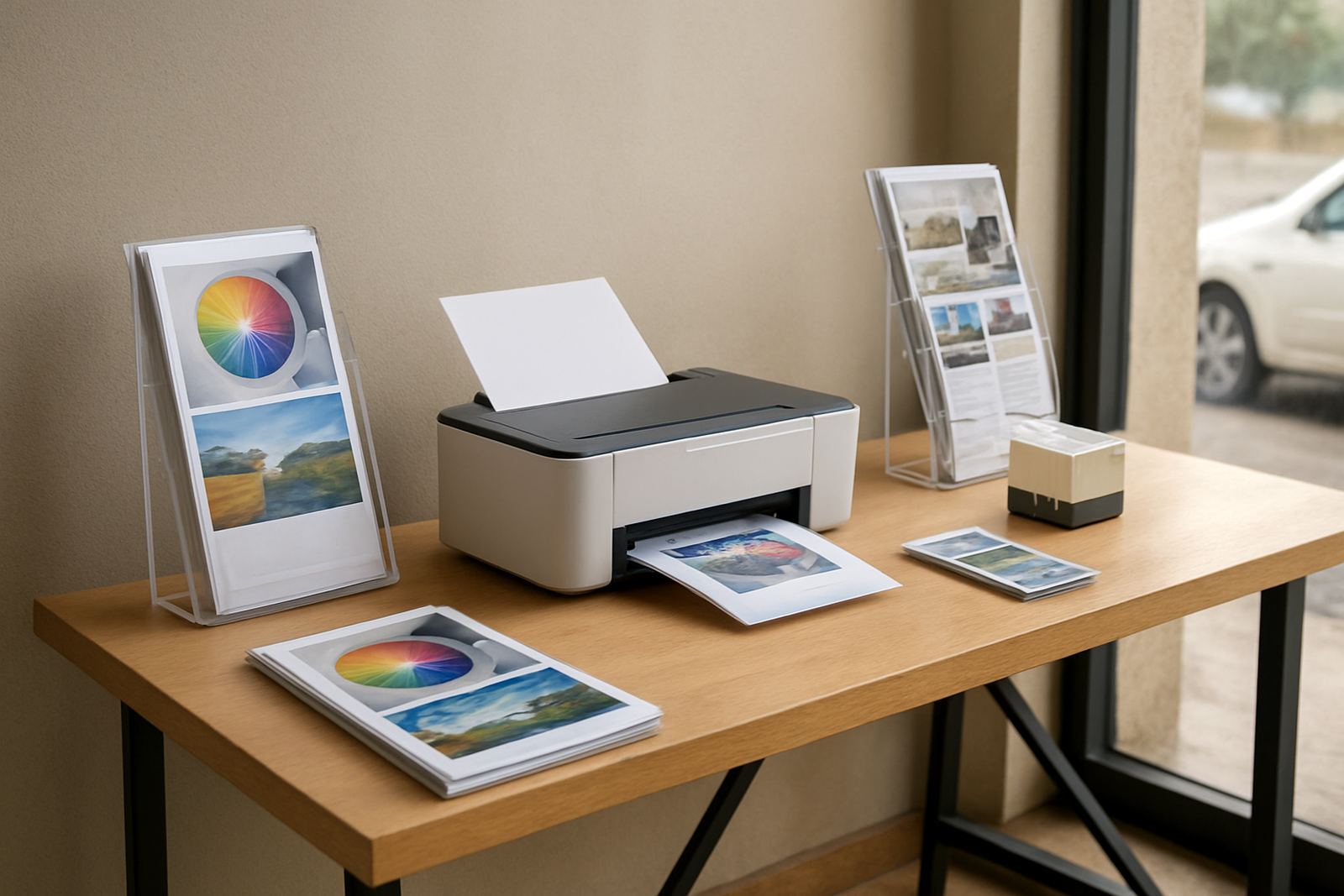
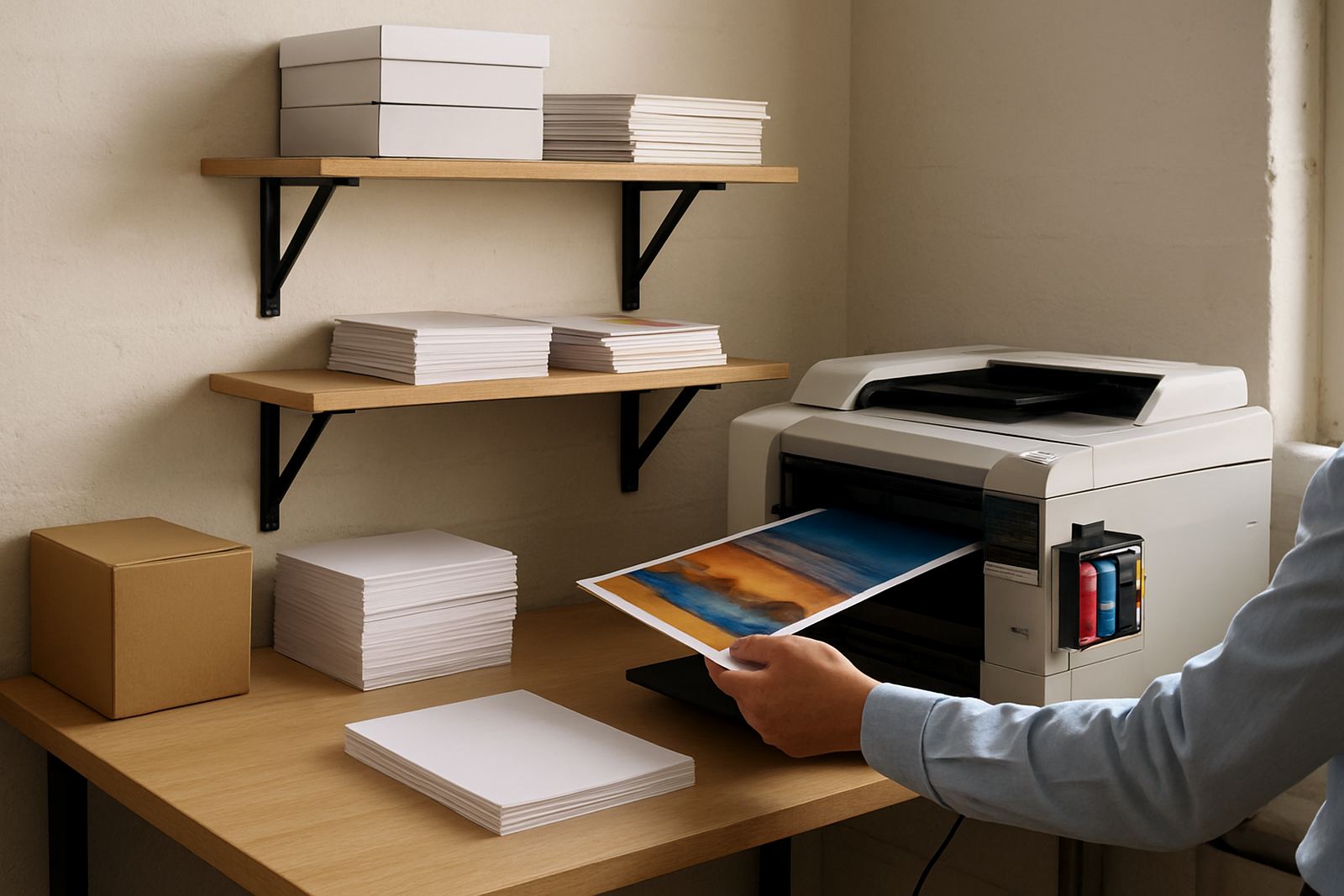
We supplied a colour printer mix suited to the clinic's job profile, with a desktop inkjet colour printer for daily A4 work and a wider colour machine for posters, room signs and larger patient notices. The desktop unit handled leaflets, appointment cards and internal notices, while the wide-format side covered longer runs and signage up to 610 mm wide.
Along with the machines, we supplied matching inks, media guidance and a clear reordering plan. The clinic used standard office paper for most patient sheets, a heavier matte stock for handouts and a coated option for signage where sharper colour and better handling were needed. For the most visible notices, we advised on layout margins and colour density so the prints stayed legible under bright reception lighting.
We also carried out the setup work in a way that kept the office moving. The install, testing and handover were done in one planned visit, with follow up remote help after staff started using the equipment. That kept disruption low and let the admin team settle into the new process quickly.
- Desktop colour printer for daily forms, leaflets and A4 notices.
- Wide-format colour machine for signs and larger patient information sheets.
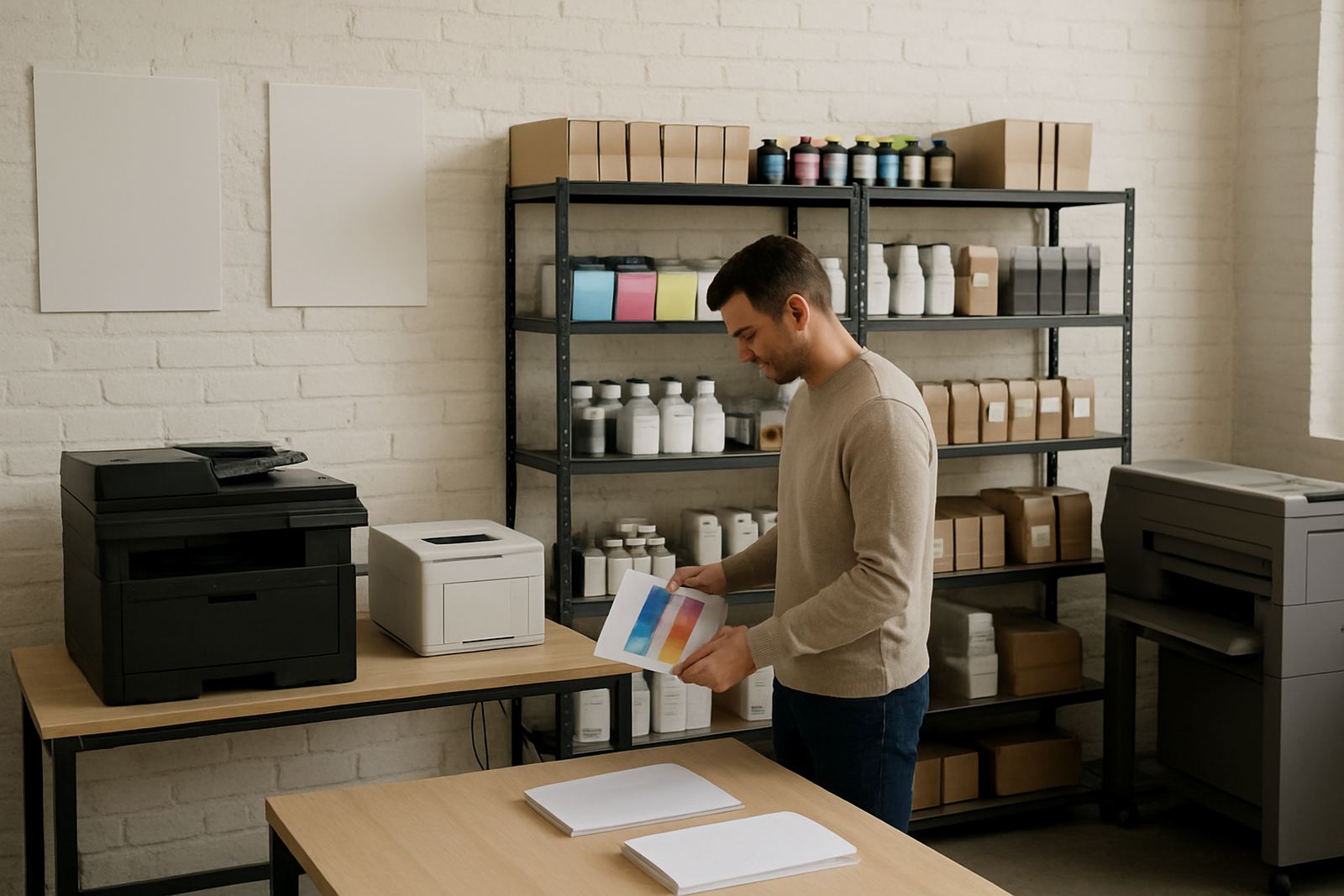
- Matched inks and labelled consumables for easier stock control.
- Media matching notes for office paper, matte stock and coated sheets.
- User handover for reception and admin staff.
Timeline from first call to stable output
The job ran over three weeks. In week one we reviewed the print mix, checked the space available and confirmed which jobs needed fast turnaround in house versus which ones were better suited to a wider machine. In week two we completed installation, set up the printer drivers, checked colour output against the clinic's common forms and confirmed the media settings for each stock type. In week three we handled the handover, reordering plan and follow up quality checks.
That timing worked well because it gave the team enough room to test real clinic documents rather than only sample pages. We printed the usual patient info sheets, reception notices and treatment room signs, then checked whether the colour stayed consistent after multiple batches. The final fine tuning was mostly about paper choice and ink density, not major changes to the equipment.
After setup, the clinic kept the wide-format machine for the items that had been taking too long on small office printers. That reduced bottlenecks at reception and cut down on reprints caused by poor scaling or cramped layouts.
Results the admin team could feel straight away
Once the new print process was in place, the clinic had a much cleaner split between everyday colour work and larger information pieces. The admin team no longer had to guess which machine should handle which job, and that alone reduced mistakes. Patient leaflets came out more consistent from one print batch to the next, and signage looked better in reception because the colour and size were matched to the paper rather than forced through the wrong device.
There were also practical savings. Less waste came from fewer test prints and fewer failed runs on the wrong media. Ink planning improved because the clinic now had a known usage pattern instead of patchy emergency purchases. In a town like Somerset West, where courier timing matters and office hours are full, that predictability is worth as much as the print quality itself.
The reception team said the biggest benefit was confidence. They could print what they needed, when they needed it, and hand the page over without worrying that the colour would be off or the sheet would curl badly in the tray.
- Clearer colour across leaflets, notices and patient sheets.
- Less reprinting from media mismatch and layout errors.
- Better stock control for ink and everyday consumables.
- Faster turnaround for short run clinic material.
What we would do again for another clinic
If we were setting up another clinic print room in Somerset West, Strand or any nearby practice area, we would follow the same approach. First, split the work by size and frequency so the team knows what belongs on a desktop colour printer and what should move to wide-format. Second, match the paper to the job before worrying about anything else, because the wrong stock causes more trouble than most clinics expect. Third, build the consumables plan around real monthly usage, not a guess.
We would also keep the handover simple. Reception and admin staff need to know which tray to use, which setting matches the paper, when to reorder and who to call if the machine stops after a power cut. That practical support matters more than a long spec sheet. For clinics working under time pressure, the best print setup is the one that keeps running without fuss.
For this project, that is exactly what was needed. A steady system, clear instructions and enough local support to keep colour printing under control week after week.
Key facts
| Client type | Clinic admin team in Somerset West |
|---|---|
| Project scope | Colour leaflets, signage and patient information sheets |
| Print mix | Desktop inkjet colour printer plus wide-format colour machine |
| Paper and media | Office paper, matte stock and coated sheets |
| Timeline | 3 weeks from review to handover |
| Support | Installation, media matching, ink planning, remote help and consumable reordering |