What a design studio usually needs from colour print
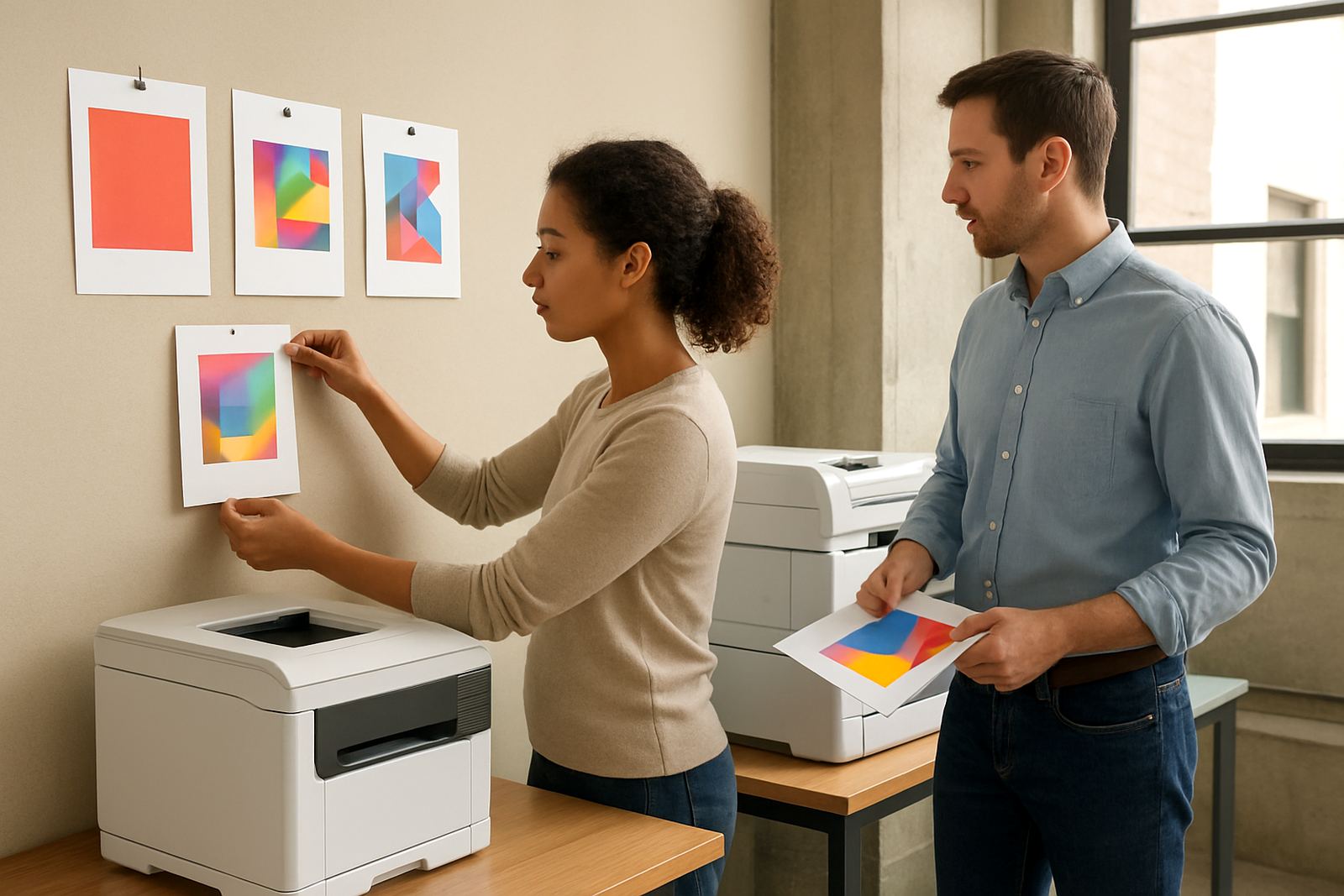
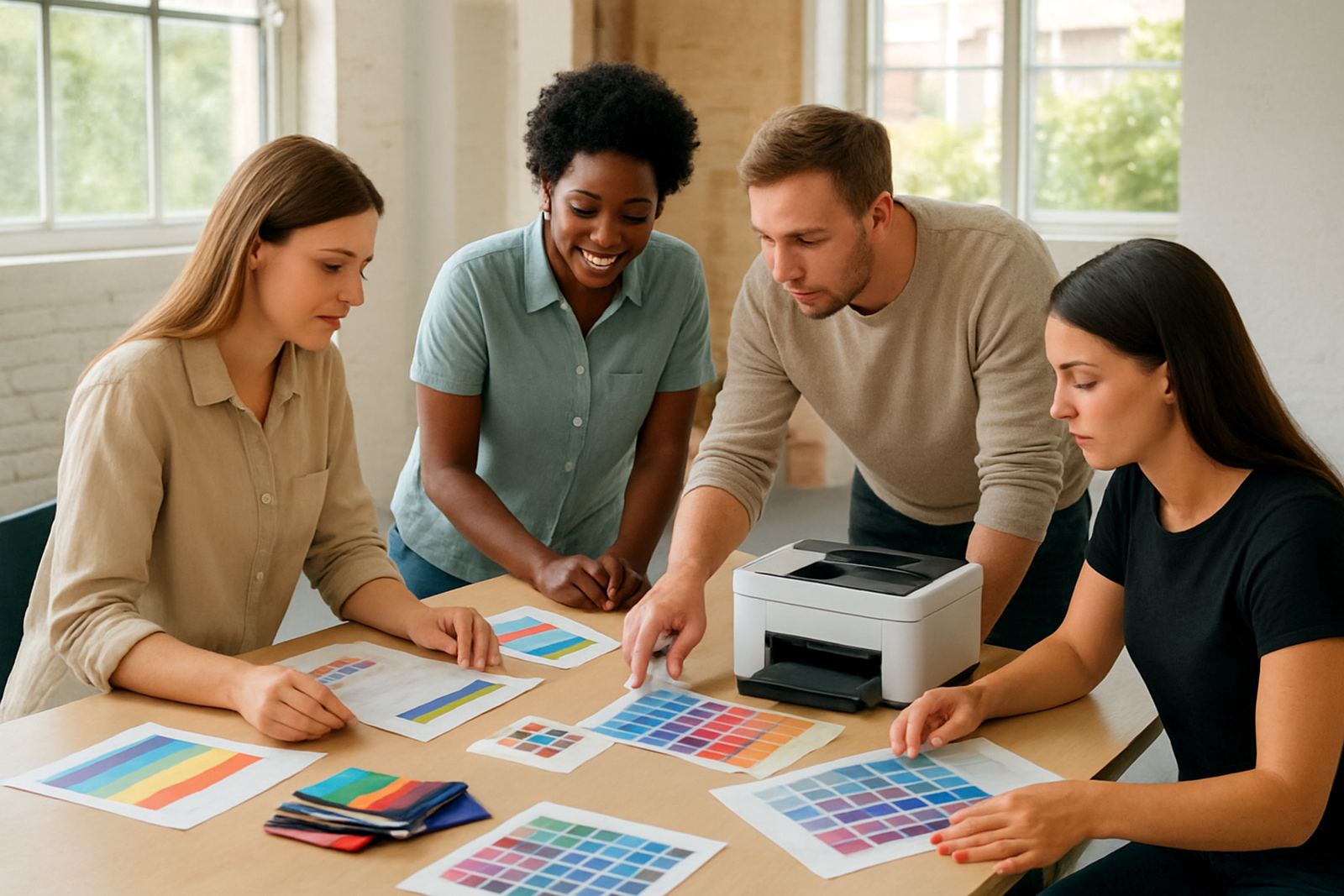
In a busy studio, colour print work is not only about making pictures look good. It is about getting a proof out before a client meeting, checking a corporate colour on a comp and printing presentation boards that still look right under office lights. That means the printer has to be predictable, the inks must be easy to reorder and the team needs to know which paper or film to use for each job.
Most studios in Ndabeni, Woodstock, Claremont and the broader Cape Town area want one supplier for the machine, the consumables and the support. That reduces back-and-forth when a cartridge runs low or when a board size changes at short notice. For teams with clients in signage, branding or architecture, it also helps to have clear advice on when a desktop inkjet printer is enough and when it makes sense to move up to wide-format equipment.
Typical printer set-ups for proofs, comps and boards
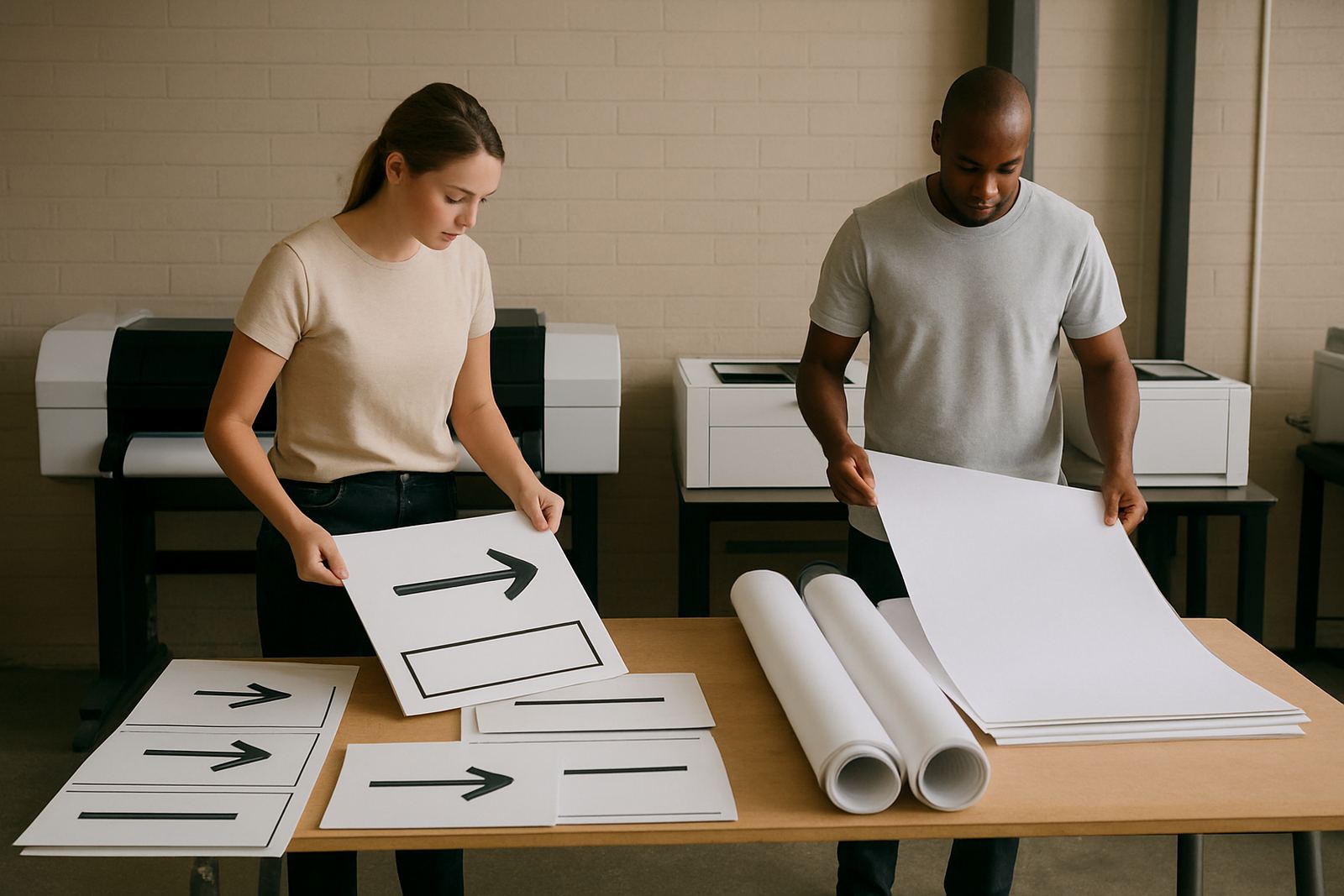
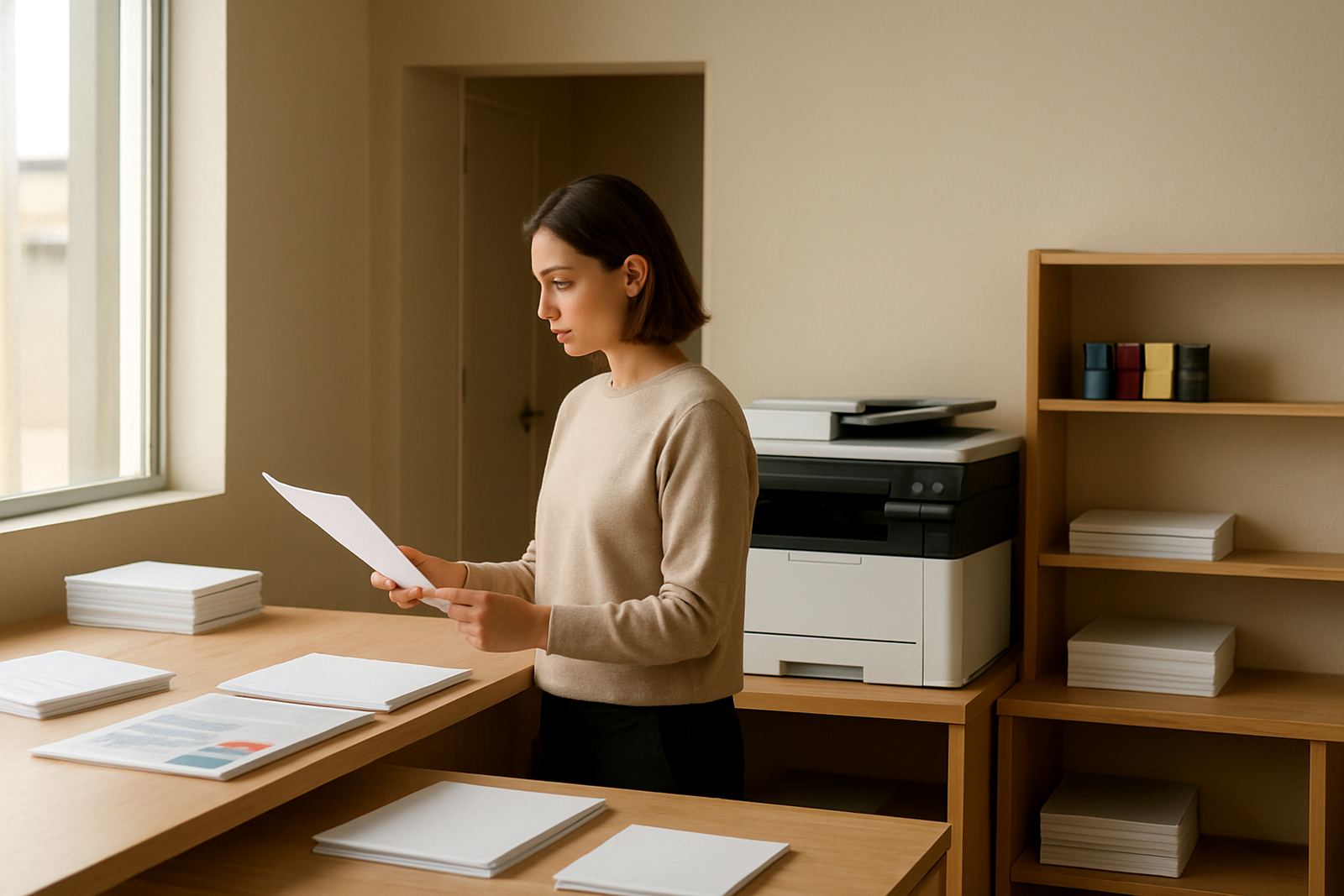
A small studio often starts with a desktop colour inkjet printer for A4 and A3 work, used for colour checks, internal reviews and quick client packs. Larger studios usually add a wide-format machine for posters, roll-up graphics, presentation boards and long layouts. The right mix depends on how often the studio prints, the largest finished size and whether the work is more image-led or technical.
- Desktop colour printer for proofs, invoices, small comps and office colour output
- Wide-format colour printer for A1, A0 and poster-size presentation work
- Matching inks or cartridges for each machine, with spare stock held for busy weeks
- Media options such as coated paper, matt presentation board and proofing stock
- Basic maintenance items to keep nozzles clear and colour output steady
For studios that print daily, it is worth planning around ink consumption rather than buying one cartridge at a time. A practical stock plan helps avoid late-afternoon panic when a board is due and the yellow or black is down to the last few millilitres.
How to plan the studio layout before the printer arrives
Printer placement matters more than many teams expect. A colour machine should sit on a level surface with enough space for paper feed, output and access to ink bays or service panels. If a studio is tight on space, the common mistake is tucking the printer into a corner where people have to bend around it all day. That slows production and increases the chance of paper jams.
In Cape Town studios, especially in older buildings around Woodstock or Claremont, power and ventilation also need attention. Load-shedding means the printer should be on proper surge protection, and a small UPS can save a job in progress. Coastal humidity can affect paper storage and media curl, so paper should stay sealed until needed and kept off the floor. If the room gets warm in summer, it helps to keep consumables away from direct sun and high foot traffic.
Measure the route as well as the final spot. A wide-format machine may fit the room once unpacked, but still need turning space through a narrow corridor or lift. We often suggest checking door widths, corridor turns and whether the floor can take the weight before delivery day.
The print issues that cost studios time and money
The most common mistakes are simple ones. The wrong paper gets used for a proof, the team runs out of one colour at the wrong time, or a printer is left idle long enough for the heads to dry. Another frequent issue is choosing a machine that is too small for the actual work, which leads to outsourcing every bigger board and pushes up monthly costs.
Colour mismatch is another pain point. If the team prints on mixed media without standard notes, one layout can come back slightly different from the next. That is why media matching and clear ink choices matter. A studio that prints marketing material and presentation boards should keep a short record of which stock works best for each client type. It saves time and cuts waste, especially when deadlines are tight.
- Do not mix proofing paper and presentation board without testing first
- Keep spare inks for the colours used most often, not only the expensive ones
- Print a test strip after long idle periods before running a full job
- Store media flat and sealed to reduce curl and dust
- Plan for reordering before stock gets down to the last item
Budget ranges in Rand for studio print equipment
Budgets vary with output volume, but it helps to think in working ranges. A solid desktop colour inkjet printer for a small studio can start around R3 500 to R12 000, depending on tray size and speed. Consumables then add a regular monthly cost, especially if colour proofs are part of everyday work. For a team that prints more frequently, it can make sense to allow R1 500 to R6 000 for a practical starter stock of inks and paper.
Wide-format colour equipment sits in a different bracket. Entry-level machines for serious studio use can begin around R18 000 to R45 000, while more capable setups for heavier poster and presentation work can move well above that. Once you add installation, media and maintenance planning, a realistic project budget often lands between R25 000 and R80 000 for a studio setting. That range changes with print width, expected volume and whether the team needs training on the machine from day one.
The best value usually comes from matching the equipment to actual monthly output. A studio that prints only a few proofs a week should not carry the cost of oversized machinery, while a high-output team will lose money if it keeps outsourcing every larger board. The right balance is usually clear after looking at average weekly jobs and the size of the biggest piece the client wants.
Support that helps the studio keep moving
Good print supply is more than dropping off cartridges. Studios need printer installation, wide-format setup, preventive maintenance and support when colour looks off. Remote help is useful when a designer is under pressure and just needs a setting checked or a media profile confirmed. When a machine needs more attention, collection coordination and service work keep the process orderly rather than interrupting the whole studio.
For teams in Ndabeni, Montague Gardens, Bellville, Somerset West and surrounding areas, having one point of contact keeps reordering simple. That means fewer missed deadlines and less time spent chasing separate suppliers for ink, paper and support. MyColour works with design studios that want calm, practical supply and straight advice on what to buy next, not overcomplicated bundles or guesswork.
If your studio is printing proofs, comps or presentation boards and needs a more reliable setup, it helps to start with the actual output, the paper you use and the space you have. From there, the right machine and consumable plan becomes much easier to map out.