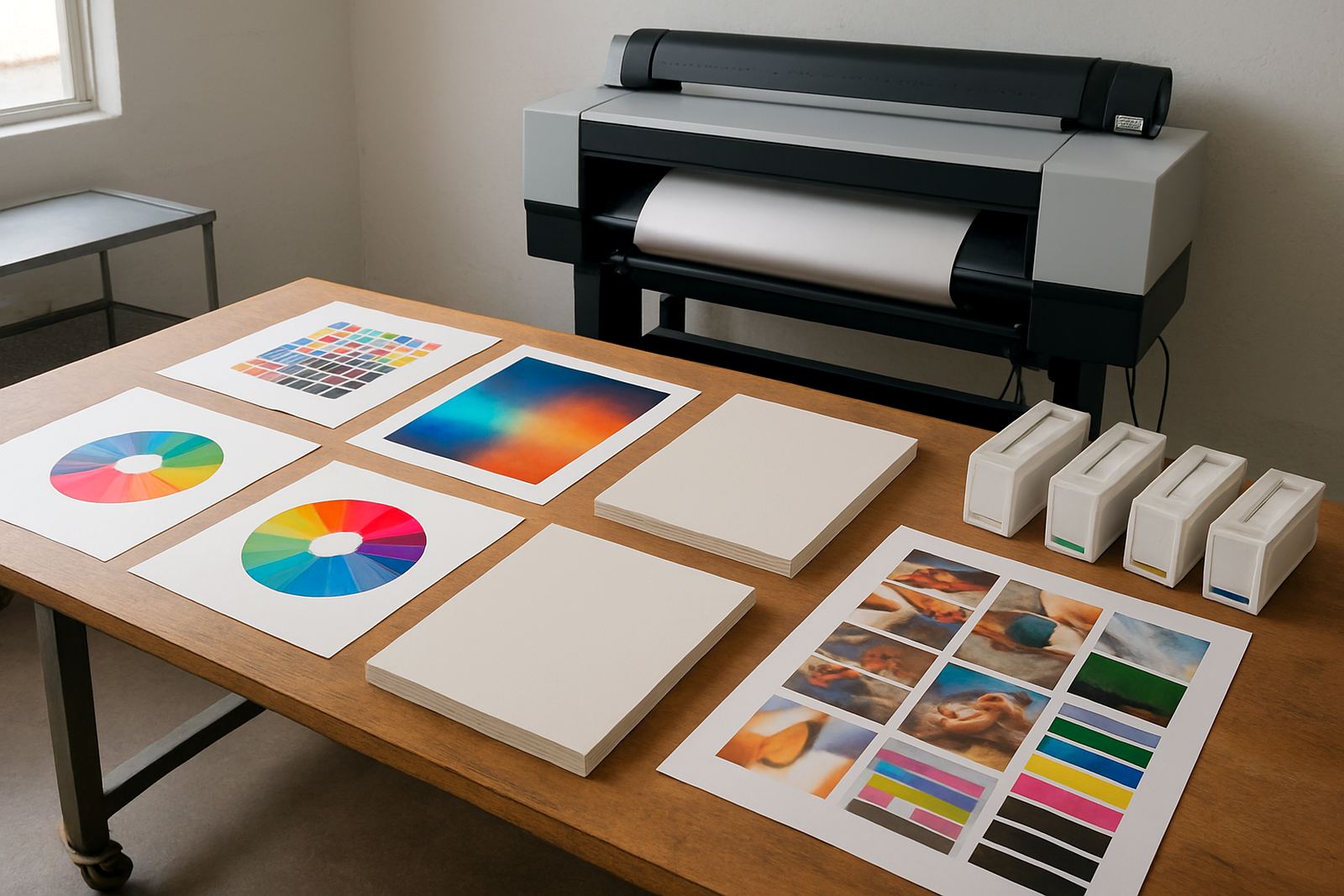
Picking the right stock for the job
Media matching starts with the end use. A proof for a client meeting in Claremont does not need the same stock as a shopfront poster heading out to Somerset West, and a long running office report has different needs again. We help you choose papers and rolls that suit the printer, the inks, the finish and the budget, so you do not waste time testing random options one by one.
For indoor work, that can mean plain bond, coated inkjet paper, satin paper or gloss photo paper. For sign and presentation work, it may be a matte poster paper, self-adhesive media or a wide-format roll with the right coating for your machine. We also consider whether the job must dry fast, resist smudging, or hold colour under strong showroom light.
- Desktop colour printers for proofs, handouts and short runs
- Large-format printers for posters, drawings and point-of-sale graphics
- Ink sets matched to the media type and print duty
- Finish options such as matte, satin, gloss or adhesive
What we check before recommending media
Our team looks at the printer model, ink system, typical job size and the room where the work will be used. A coastal office in Cape Town, for example, may need a stock that handles humidity better than a paper chosen for a dry inland branch. We also factor in whether the machine pauses often due to load-shedding, because some media handles restart and head checks better than others.
We ask how the output will be handled. If sheets are trimmed, laminated, mounted, folded or couriered nationwide, that changes the choice. For busy offices in Bellville or Montague Gardens, we also consider how easy the media is to load and whether staff can keep a consistent result without constant re-training.
- Printer width and feed path
- Ink type and drying speed
- Humidity, heat and storage conditions
- Expected handling after printing
- Job volume and repeat order needs
How the media matching process works
We keep the process practical. You tell us what you are printing, the finish you want, the printer you are using and where the output will be seen. From there we suggest a short list of suitable papers or rolls, then narrow it down to the most cost-effective option that still gives the result you need. If the job is urgent, we can work from samples, media notes or previous print results.
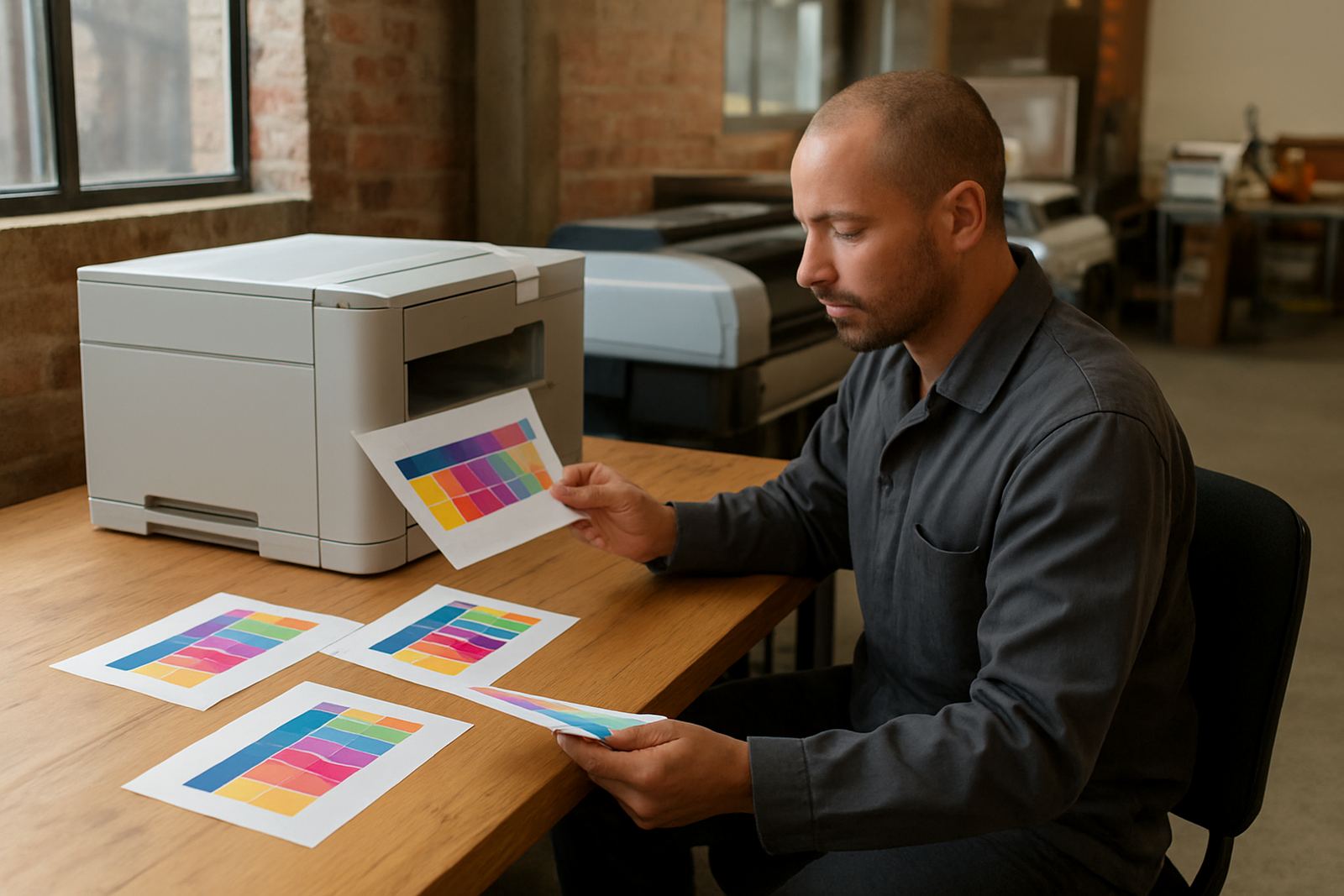
Where needed, we do a print quality check and confirm colour hold, drying and feeding before you place a larger order. That reduces costly overbuying, especially on wide-format media where a full roll can tie up cash quickly.
- Brief intake on job type and printer setup
- Media shortlist with plain language notes
- Trial print or sample review if needed
- Final recommendation and reorder plan
Turnaround for Cape Town and nationwide supply
For local clients around Ndabeni, Woodstock, Claremont, Bellville, Somerset West and Montague Gardens, we can usually move quickly once the job details are clear. Courier supply goes nationwide, and the turnaround depends on whether the media is standard stock or a special order. If you need a repeat item for monthly campaigns, we can help set a sensible reorder rhythm so your team does not run out at a bad moment.
For offices and studios with recurring print work, we keep an eye on stock levels and media changes. A paper that worked in summer may need a different choice in winter, and a poster roll that behaved well on one printer may feed differently after a service or firmware change. Small checks now save a lot of reprints later.
Pricing approach and what affects cost
Pricing is based on the media type, size, coating, roll length and whether the stock is kept as a regular item or brought in for a specific job. Plain papers are more affordable, while specialist wide-format media, adhesive stock and premium coated sheets cost more per square metre. We keep pricing straightforward and explain the trade-off between print quality, durability and spend.
If you are choosing between two options, we will tell you which one is better value for the application. Sometimes a slightly dearer paper gives better colour hold and fewer reprints, which is cheaper in the end. We do not push material you do not need.
- Entry-level office papers for low-cost internal use
- Mid-range coated stocks for proofs and presentations
- Specialist rolls and adhesives for signage and display
- Reorder planning to cut waste and emergency buying
Maintenance intervals and print stability
Good media matching works best with regular upkeep. We normally suggest checking feed rollers, print heads and storage conditions every 3 to 6 months, or sooner if the printer is used daily. In dusty areas or high-volume studios, monthly checks may be better. If a machine sits near an open loading bay or gets moved between jobs, media and dust control matter even more.
We also advise keeping paper sealed until use, storing rolls upright where possible and allowing stock to acclimatise before printing. That helps reduce curl, misfeeds and colour shift. If your team prints proofs in the morning and posters in the afternoon, a simple stock routine can make a real difference.
- Roller and feed checks every 3 to 6 months
- More frequent checks in dusty or humid spaces
- Stock storage in sealed packaging
- Allow media to settle before use
Who benefits most from media matching
Media matching is useful for design studios, sign shops, in-house marketing teams, schools and offices that print colour every week. If your team makes proofs for clients, short-run posters, training material or internal colour documents, the right media cuts reprints and gives more consistent results. It is also helpful when a business is stepping up from office colour to wide-format work and needs clearer guidance on paper choice.
MyColour keeps the advice calm and practical. You get clear guidance on what to buy, when to use it and when to move to a different stock. That means less trial and error, fewer wasted sheets, and better colour output from the printer you already have.
Key facts
| Service area | Ndabeni, Cape Town with courier supply nationwide |
|---|---|
| Typical media types | Bond, coated inkjet paper, matte poster paper, gloss photo paper, adhesive rolls |
| Printer classes supported | Desktop inkjet colour printers and large-format colour machines |
| Advice format | Job-based recommendations with sample and reorder guidance |
| Maintenance interval | Every 3 to 6 months, or monthly in heavy-use environments |
| Typical turnaround | Local guidance can be same day to 2 working days depending on stock |