
What the Sea Point team needed
The client was a busy hospitality office in Sea Point, Cape Town, handling menus, function packs, table cards and event signage for a venue with frequent changes. The team had been relying on outside print runs for much of the colour work, which made simple updates slow and expensive when a price changed or a function detail shifted at short notice.
The brief was straightforward: bring more of the colour output in house, keep print quality consistent and make sure the team could produce usable proofs the same day. They also wanted a supply plan that would not fall apart during peak season, load-shedding or a weekend run of events. The office was working in a coastal area too, so paper handling and ink stability had to be considered against humidity and regular door traffic.
- Location: Sea Point, Cape Town
- Use case: menus, event signage, proof prints and daily office colour
- Main need: faster updates with less dependence on outside printers
- Environment: coastal humidity, frequent change requests and weekend pressure
The brief and the practical limits
The team did not need a massive production room. They needed dependable colour output, simple operation and the right split between desktop work and larger format output for posters and directional signs. The office also needed to keep things tidy and easy for staff who were not print specialists. That meant the setup had to be easy to hand over, easy to monitor and easy to top up without guesswork.
There were a few constraints. Space was tight, there was no appetite for complicated training, and the output had to stay presentable under normal hospitality lighting. They also wanted to avoid wasted ink from repeated test prints, so we focused on matching the printer type to the media used most often. For a coastal site, we also paid attention to storage of consumables and the way stock would be rotated in and out.
- Limited floor space and only one main print point
- Need for staff friendly operation, not technical handling
- Short lead times for menu revisions and event artwork
- Stock control needed for frequent reorders and peak trading weeks
What MyColour supplied and set up
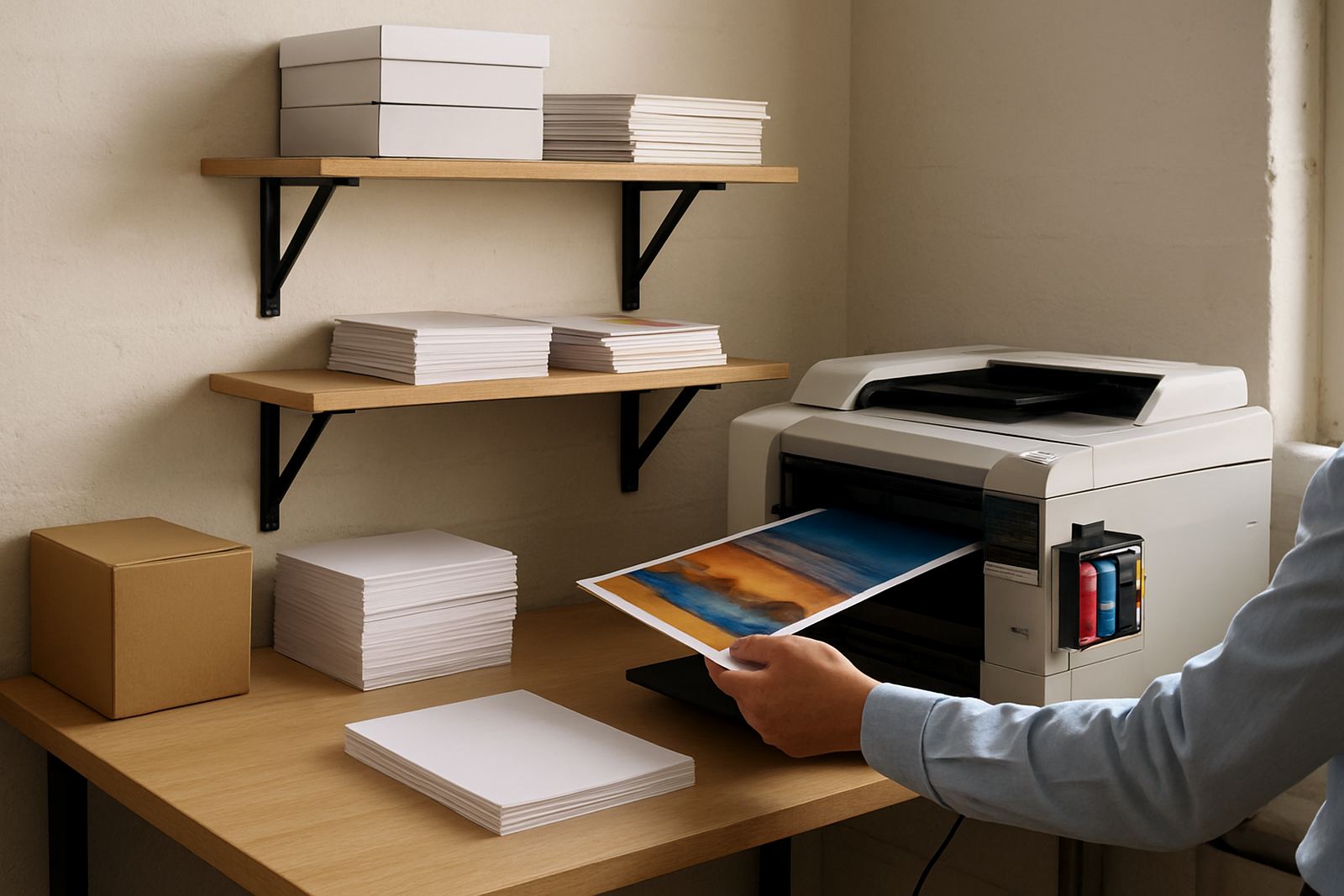
We supplied a mix of desktop inkjet colour printing and wide-format support so the office could handle both everyday colour work and larger signs from one supply point. The key was choosing the right machine for the duty cycle, then matching inks and media so the prints stayed sharp without constant adjustment.
Our team handled installation, media matching, user handover and print quality checks. We also put together an ink supply plan that suited the client's update cycle, so they would not run out during a Friday afternoon rush. The setup included clear naming for consumables, which helped the office track what belonged to each printer and what needed to be reordered. In practical terms, that reduced confusion and kept ordering simple.
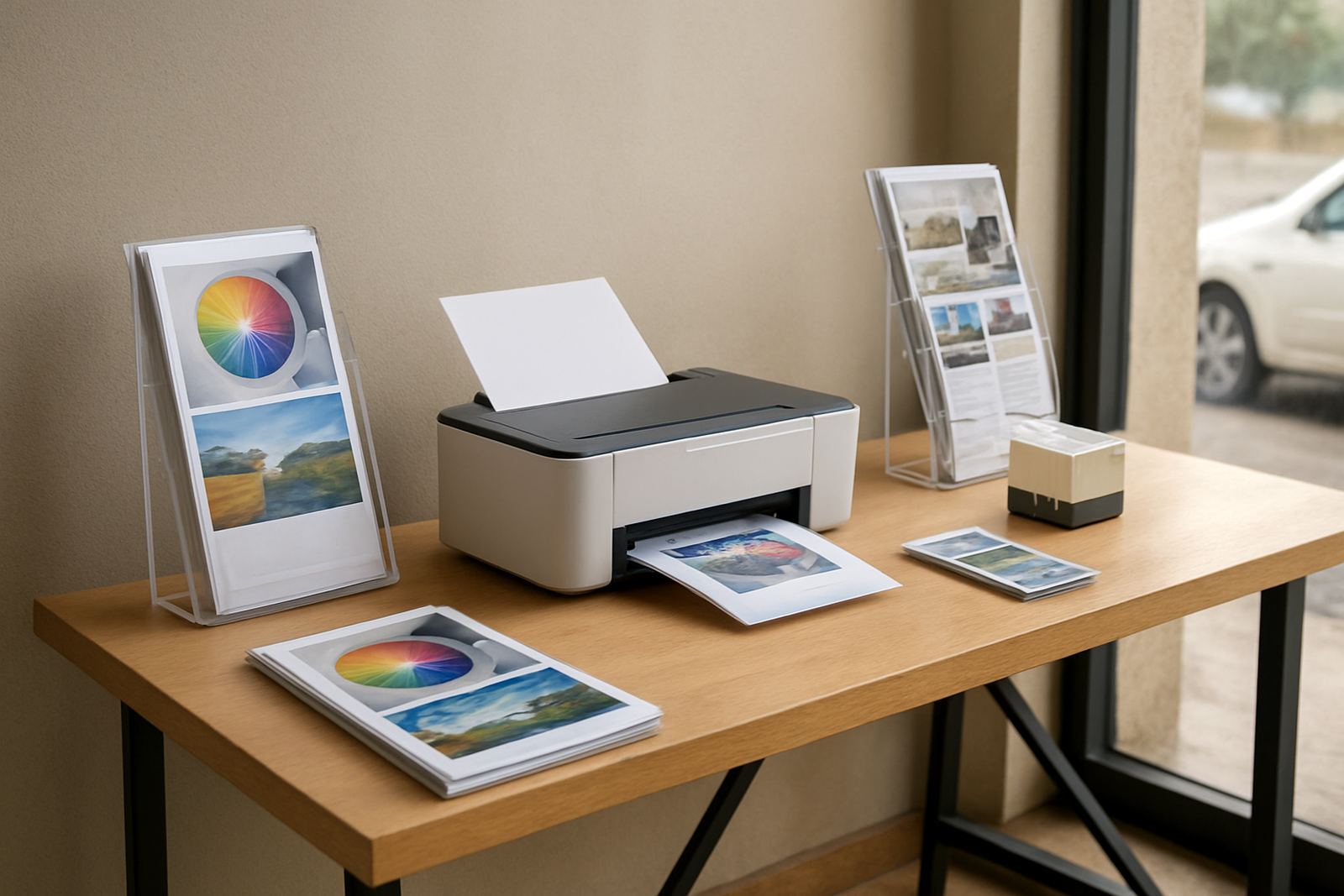
- Desktop colour printer for proofs, letters and daily office colour
- Large-format colour machine for posters, specials boards and event signage
- Matching inks and consumables set up as a repeat supply list
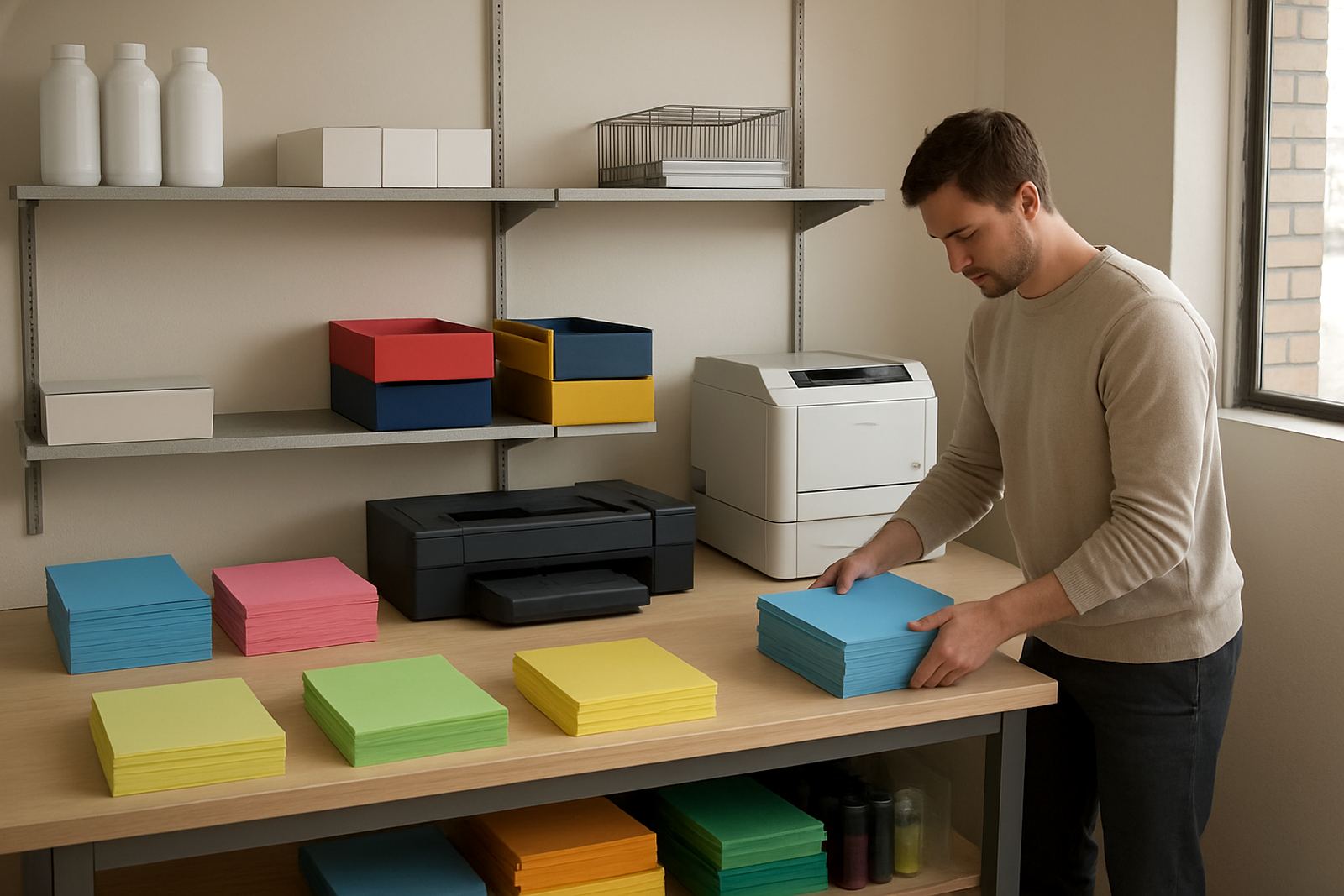
- Media notes for bond, coated stock and common poster material
- Remote help available for quick checks after handover
Timeline from first call to live use
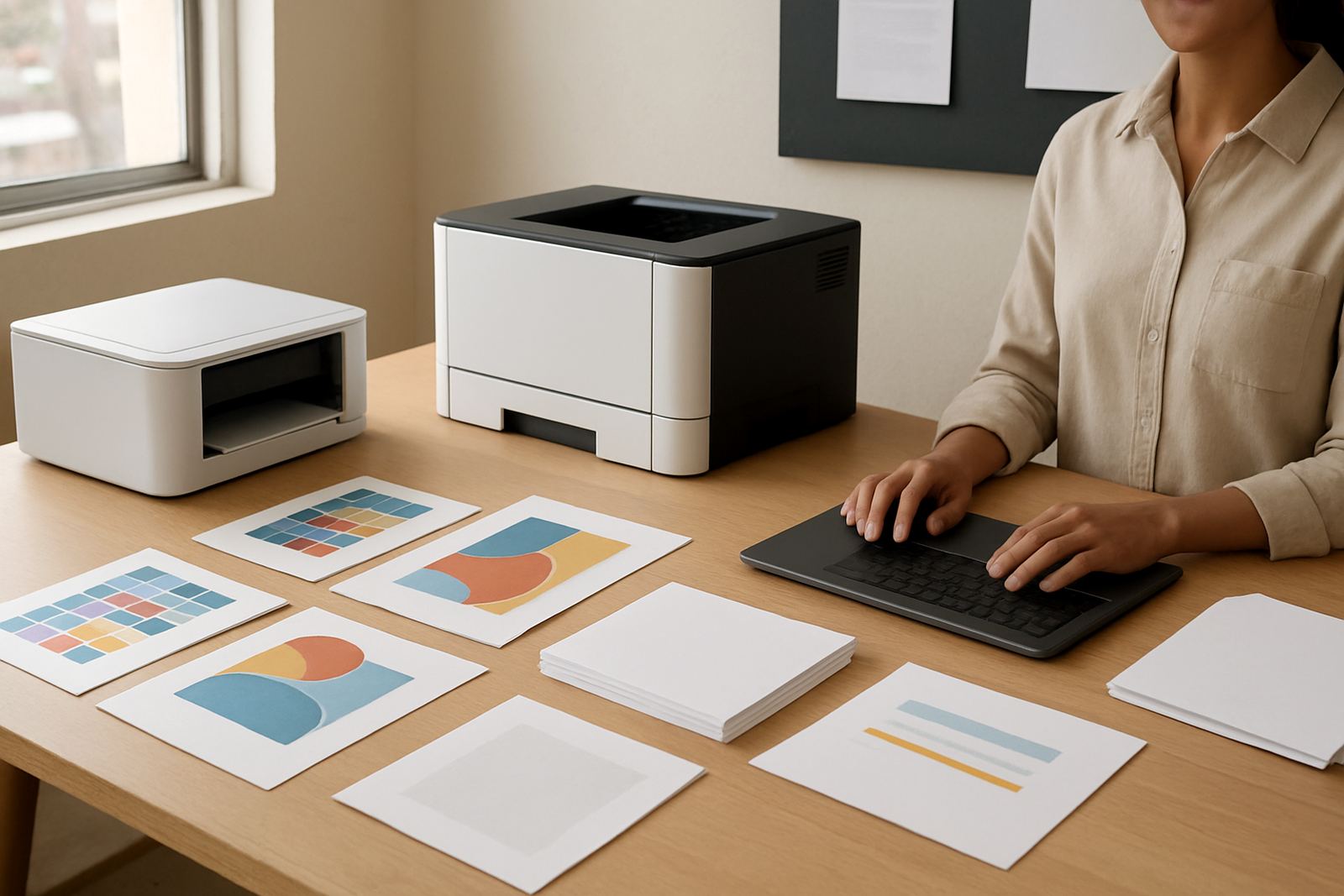
The project ran over three weeks from first assessment to steady use. In week one we reviewed the print jobs, estimated volumes and identified the most common paper sizes and media types. In week two we completed installation, checked colour output against the client’s normal brand files and trained the team on basic loading, cleaning and switching between jobs. By week three the office was producing menu revisions and event signage in house with minimal back and forth.
That short timeline mattered because hospitality work does not wait for long procurement cycles. A menu change on Monday can become a table update by Wednesday and a function sign by Friday. The new workflow gave the office enough room to respond without chasing outside suppliers each time. It also made planning easier for the person in charge of consumables because the reordering pattern became visible after only a few jobs.
- Week 1: site review and job mapping
- Week 2: installation, colour checks and training
- Week 3: live use with remote support and consumable tracking
Results after the handover
The biggest gain was turnaround. The office could now update everyday colour work in house and keep event signage moving without waiting on a separate print queue. Proofs were also easier to check early, which meant fewer last minute surprises before a launch, tasting or function.
Colour output became more predictable too. By pairing the printer choice with the right media and inks, the team got cleaner text and better consistency from one job to the next. That mattered for menus where small type has to stay readable, and for signage where poor contrast can make a sign look tired. The supply plan also cut down on emergency calls for inks because stock levels were reviewed in line with actual use not guesswork.
- Faster menu and signage changes in house
- Better colour consistency across proofs and final prints
- Less waste from repeat test prints
- Clearer consumable planning for busy weeks and weekends
What we would do again for a similar venue
For a Sea Point hospitality office, we would use the same approach again: start with the actual job mix, choose printers around that mix and keep the handover practical. A venue office does not need fancy terminology, it needs steady output, easy stock reordering and help when something changes at short notice. That is especially true when the venue runs near full pace through summer and needs quick turnarounds for events, specials and menu refreshes.
We would also keep the consumables plan simple from the start. Coastal sites can be unforgiving if paper sits open for too long, so storage advice and regular stock checks are worth doing from day one. In this case the combination of installation, media matching and a clear reorder path worked well, and it is the same formula we use for other hospitality teams across Cape Town and nationwide courier supply.
- Begin with the actual print mix, not the biggest machine available
- Match inks and media before chasing speed
- Keep consumables labelled and rotated properly in a coastal office
- Set up a reorder rhythm that fits event calendars and trading peaks
Key facts
| Client type | Hospitality office |
|---|---|
| Location | Sea Point, Cape Town |
| Timeline | 3 weeks |
| Output mix | Menu updates, event signage, proofs and daily colour work |
| Supplied | Desktop colour printer, large-format colour machine, inks and consumables |
| Services used | Printer Installation, Wide-Format Setup, Ink Supply Planning, Media Matching, User Handover, Remote Help |