

What expiry dates mean on working stock
An expiry date on an ink bottle, cartridge or maintenance item is a guide to when the consumable is expected to perform as intended if it has been stored correctly. It is not a magic switch. A sealed item kept cool, dry and upright will usually age better than stock that sat in a hot storeroom near a sunny window or on a shelf that bakes during summer.
For design studios, sign shops and offices in Cape Town or inland towns with strong heat cycles, the practical question is simple: will this item still deliver clean colour when the job lands next week? If the answer is no, the expiry note has already done its job. It told you not to treat every backup set as equal.
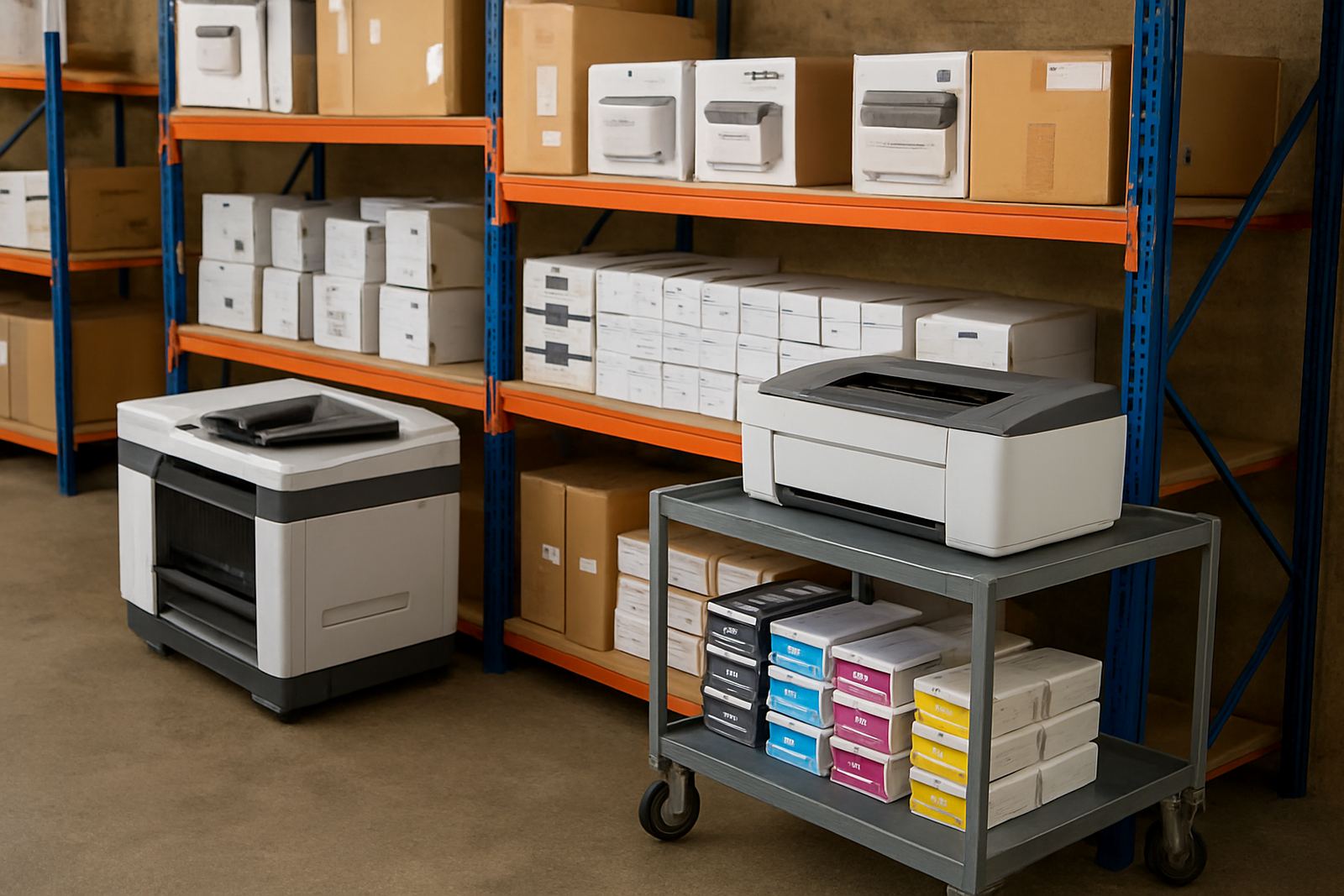
With printers that run daily, especially in places like Ndabeni, Montague Gardens and Bellville where colour work can move fast, older stock should be rotated first. That is why stock control matters even for a small room of cartridges. The oldest sealed set should go out before the newer one, otherwise you end up paying twice, once for the ink and again for the reprint.
Why backup sets age differently from daily-use ink
Ink that sits in reserve ages differently from ink that is opened and used regularly. Once a sealed cartridge or bottle is opened, the clock changes. Air, dust and handling matter more, and the printer itself may be exposed to pauses that allow ink to settle or dry at the nozzle.
Backup sets are meant to protect you during a busy week, a courier delay or a sudden consumption spike, but they should still be treated as working stock, not a forgotten emergency box. A backup set kept for 18 months in a hot storeroom is not the same as one kept for 18 months in an air-conditioned supply room with regular stock rotation.
- Keep sealed stock in a dry cupboard away from direct sun.
- Label arrival dates so old stock is used first.
- Do not stack heavy boxes on top of cartridges or bottles.
- Check that boxes have not swollen, cracked, or absorbed moisture.
- Separate daily-use items from long-term reserve stock.
In our climate, coastal humidity is often the bigger problem than people expect. It can soften boxes, affect labels and encourage careless storage habits, especialy in storerooms that also hold paper or cleaning products.
The storage habits that protect colour quality
If you want ink to last, storage matters just as much as the date on the box. Heat is the fastest way to shorten useful life, but cold and damp are not helpful either. You want a steady room, not a garage corner that swings from chilly mornings to hot afternoons.
For Cape Town businesses, this is relevant in places where stock may be held over weekends or during load-shedding. A room without climate control can still work, provided it stays clean and stable. What hurts consumables most is repeated exposure to temperature changes, dust and rough handling during transport or collection.
- Store ink between jobs in a stable indoor room, not in a vehicle boot.
- Avoid placing stock near windows, kettles, heaters or compressors.
- Keep original packaging until the item is needed.
- Use clean hands when opening boxes to avoid contamination.
- Check seals before fitting any cartridge or bottle.
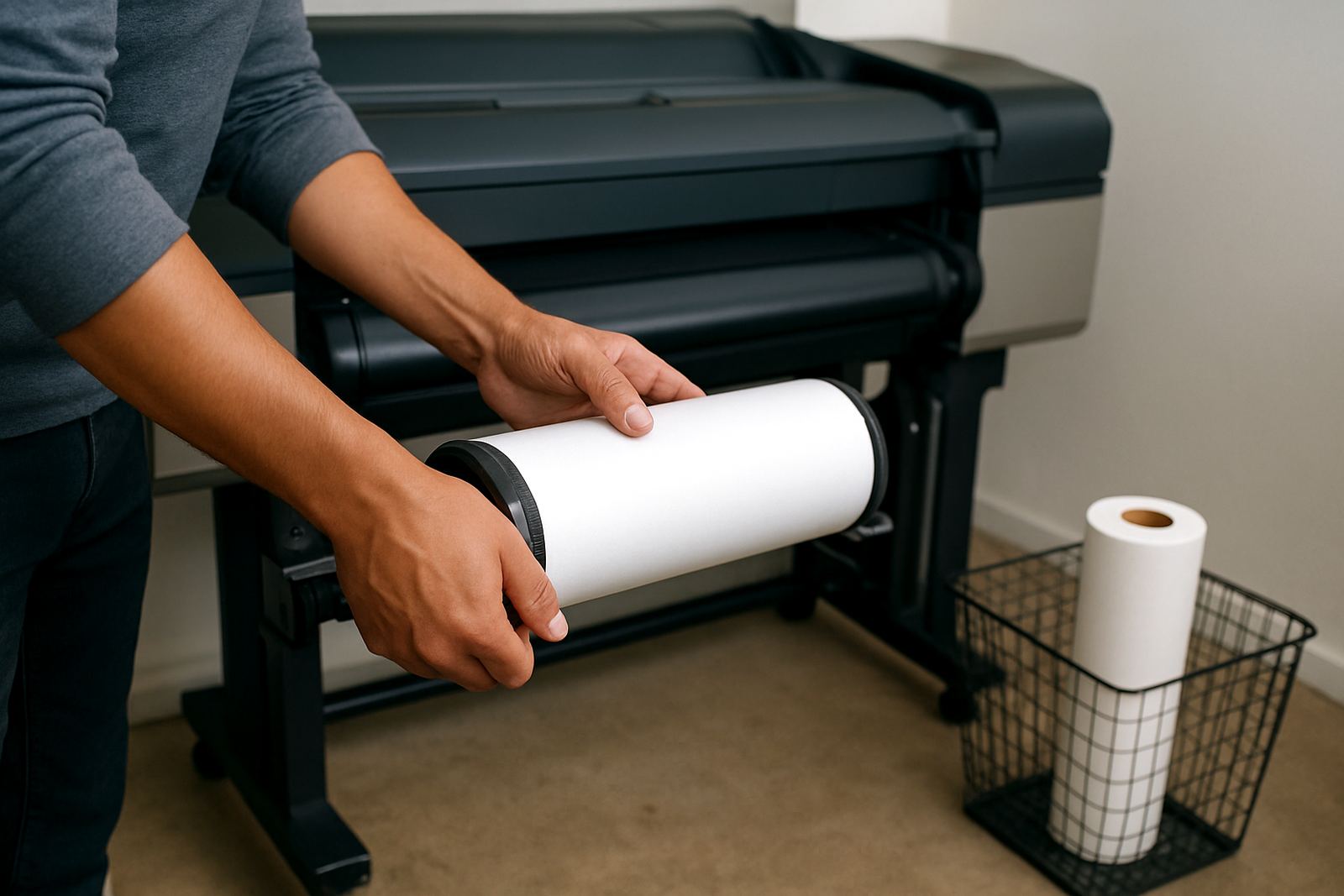
Paper stock deserves the same care because warped media can make a good ink set look bad. If the media is curling from damp storage, the printer may show colour shift, feed problems or banding, and the ink gets blamed when the real issue is the room.
When expiry becomes a print problem
Expiry only becomes urgent when print quality starts slipping. A seal may look fine, yet the output can tell a different story. Pale areas, streaks, poor colour balance or recurring nozzle issues often appear before a consumable reaches the bin. The trick is to read those signs early instead of waiting for a full job failure.
There are also times when stock is technically within date but no longer practical. If a team has moved from short office colour prints to posters or proof runs, old backup ink may no longer match the media or the machine in service. At that point, the inventory is not useless, but it may be the wrong match for the current workflow.
For businesses working near deadlines, the cost of one failed A1 proof or a late sign panel is often bigger than the cost of replacing the consumable early. That is why expiry notes should be tied to job risk, not just to a shelf label.
If a printer has been idle for a few weeks, the problem may be worsened by dormant ink in the system. Before blaming the stock alone, check whether the unit needs a cleaning cycle, a nozzle check or fresh media loading.
A Cape Town example from a busy sign and design team
A sign shop in Montague Gardens may keep desktop colour print stock for office work and a separate wide-format set for proofs and posters. During a busy season, the reserve stock can sit untouched while the team pushes through urgent jobs. Then a power cut, a courier delay or an unexpected spill forces them to open the backup set sooner than planned.
If that reserve box was stored properly, it should slot in and work with little fuss. If it was kept next to a delivery door or on a sun-baked shelf, the team may see inconsistent colour and waste several test prints before the issue is found. In a real production day, that is time and money gone.
For that reason, expiry planning should happen alongside consumable reordering. Not every item needs to be held for months, and not every backup needs to be large. Sometimes a smaller, fresher reserve is better than a full shelf of stock that might age out before it is needed.
That approach suits teams in Claremont, Somerset West and Woodstock too, where jobs often move between office printers and larger colour machines. The supply plan should reflect actual print volume, not hopeful packing.
How MyColour helps teams keep stock practical
Good consumable planning is part technical and part housekeeping. The aim is to keep the right stock on hand without overbuying or letting sealed items sit too long. For some teams that means one or two spare sets. For others, especially busy offices and studios, it means a tighter reorder rhythm and better tracking of what comes in first and goes out first.
At MyColour, advice usually starts with the basics: what printer is in use, what media is being printed, how often jobs run, and where the stock is stored. From there, teams can decide whether to hold a small emergency set, a wider reserve, or a regular monthly reorder. That keeps the shelf lean and the output more predictable.
- Match the backup set to the printer model in use.
- Review stock dates at the same time as maintenance checks.
- Keep note of slow-moving items before they become dead stock.
- Ask for help when a colour shift may be storage related.
For teams in Ndabeni and across the country, the goal is the same: use consumables before they go off the boil, replace them before they become a risk, and keep print work moving without last-minute scrambling.