
Why Colour Demand Jumps So Hard at Certain Times
Most colour print teams know the pattern. January brings school enrolments, February and March bring retail campaigns, then mid year and spring fill up with expos, events and end of term notices. In Cape Town that pressure is felt quickly because many jobs still move through one or two machines, and if a printer stops the whole queue backs up.
Seasonal spikes are not only about volume. They change the mix too. One week you are printing A4 flyers for a Claremont office, the next week it is A2 posters for a Woodstock event space, then a sign shop in Montague Gardens needs test prints on heavier media. That means the right ink, the right paper and enough stock on hand matter just as much as print speed.
If you wait until the rush starts, you pay twice. First in courier charges and then in lost time while staff hunt for cartridges or try to make a machine do more than it should. A simple forecast by month is often enough to avoid that.
Build a Print Plan Before the Rush Starts
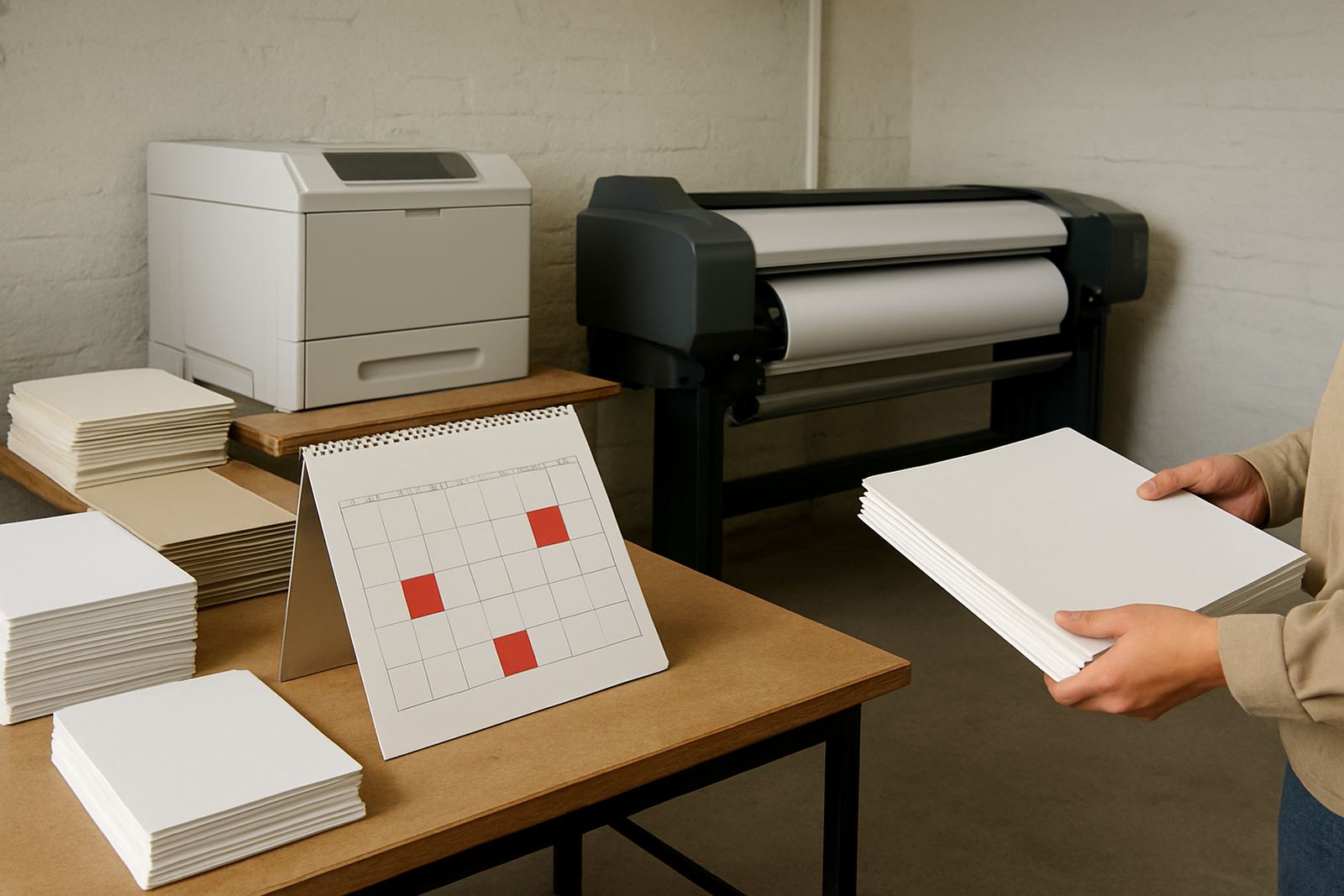
A good plan starts with your own numbers. Look at the last school term, the last retail push and the last event season. Which months used the most colour? Which printers were pushed hardest? Which jobs needed reprints because the first proof was not quite right?
From there, set a minimum stock level for the items that stop work when they run out. That usually includes inks, maintenance items and the media you use most often. For busy sites, it also helps to keep one spare set of high use consumables on hand, not just one set for the month.
- Count average weekly pages or metres for each printer.
- List the top three media types used for urgent jobs.
- Set reorder points before stock drops below two weeks of use.
- Match peak periods to staff leave and delivery lead times.
A plan like this is especially useful in Cape Town when wind, load-shedding or courier delays can slow things down. It gives you a buffer without tying up too much cash in stock.
Choose the Right Printer Size for the Work You Really Do
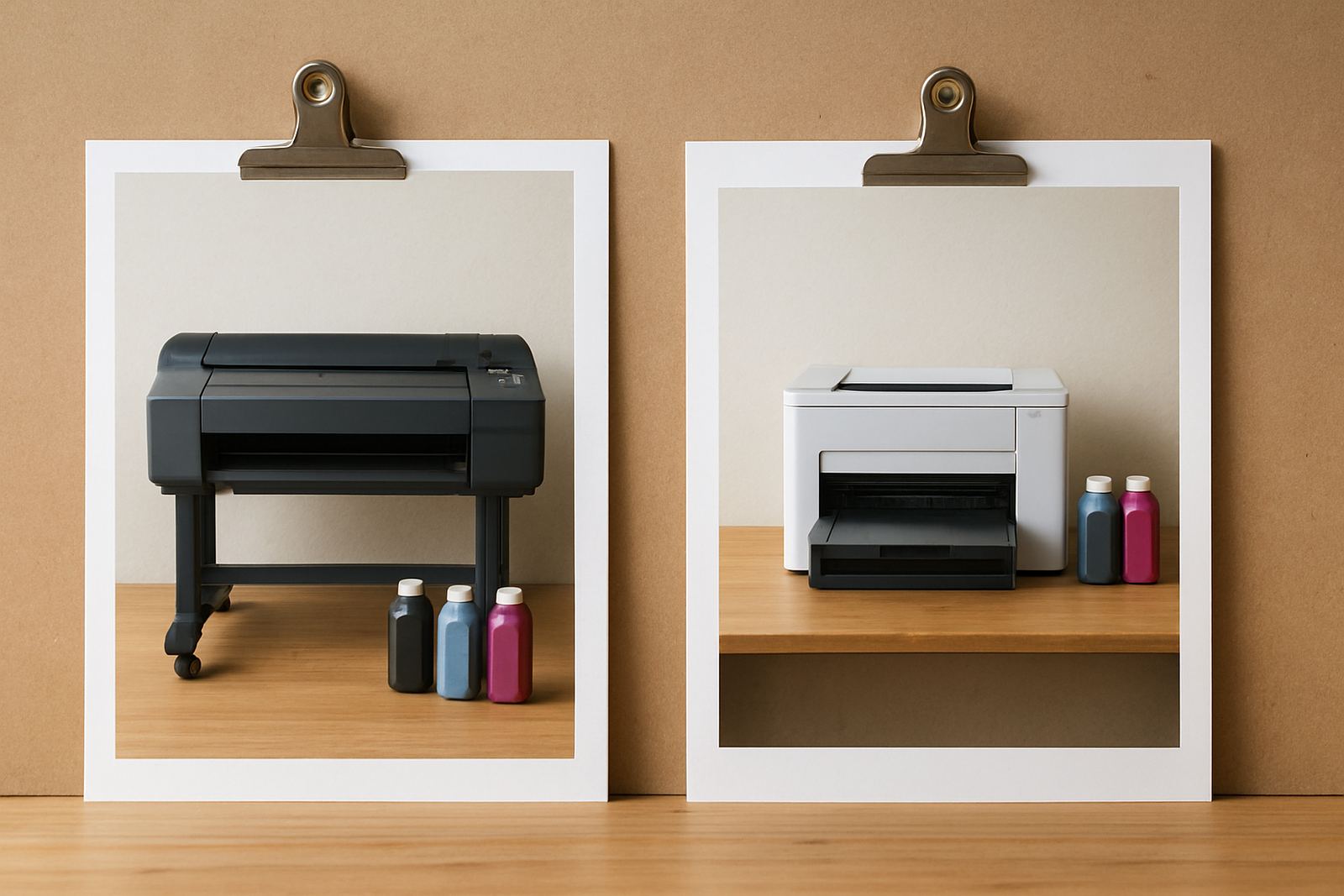
Many teams start with a compact inkjet colour printer, then realise the volume and format have moved on. If you are printing proofs, internal reports and small marketing pieces, a desktop unit can be the right fit. Once posters, POS material or wider layouts become regular work, wide-format starts to make more sense.
The key is not to buy for the biggest job you have ever seen. Buy for the jobs you repeat every week. A design studio in Ndabeni might only need one large-format machine, while a school supplier in Bellville may do better with a smaller colour printer for admin and a separate wide-format unit for banner work. The machine should match the rhythm of the business, not the other way round.
MyColour often helps teams step up from office colour to wide-format when the same printer is being asked to do too much. That move can reduce wastage, improve colour consistency and keep the smaller machine free for everyday printing.
Ink Choices Matter More During Busy Months
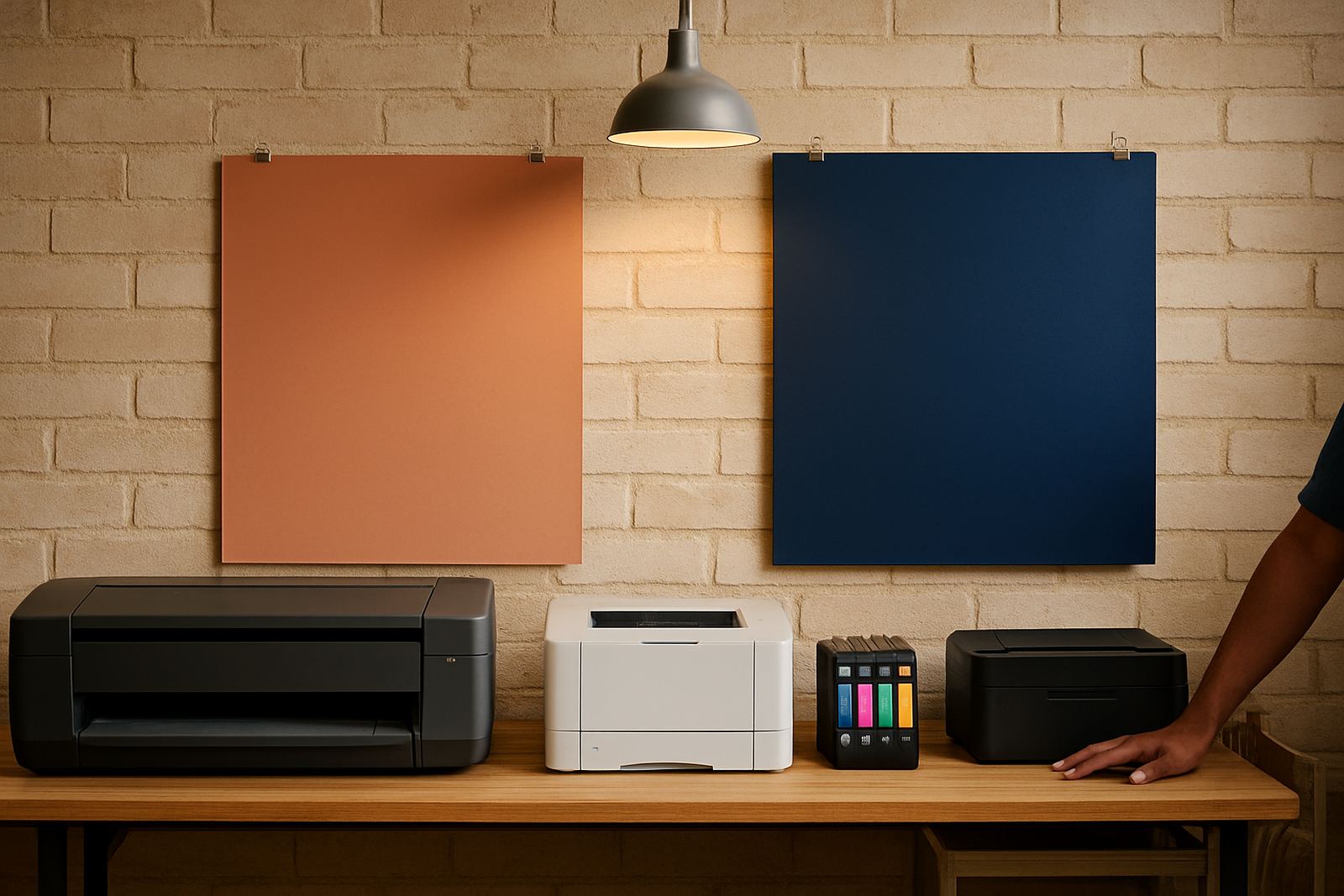
When volume climbs, ink choice becomes a planning issue not just a supply issue. Different printers, paper stocks and output needs will behave differently, especially if you are producing proof sheets in the morning and presentation prints in the afternoon.
It pays to know which inks suit your main work. For example, a sign shop may need one setup for sharp text and another for richer colour on coated media. A retail office may prioritise stable day to day output and easy reordering. The wrong match can lead to banding, dull colour or wasted media, and that adds up fast.
- Keep the correct set of inks for each machine, not a general spare.
- Use media that suits the job instead of forcing one paper to do everything.
- Check storage in hot rooms or near windows, especially in summer.
- Rotate older stock first so items are not left sitting for months.
In coastal areas like Somerset West, humidity can affect paper handling and print consistency too. That is why storage conditions matter, not just the printer itself.
Use Maintenance to Avoid Peak Season Failures
The best time to service a printer is before it starts missing deadlines. Preventive maintenance, print quality checks and a proper user handover help teams avoid the common peak season problems: clogged heads, feeding issues, colour shifts and wasted test pages.
For businesses in Woodstock or Montague Gardens, a quick service visit before the rush can save a full day later. It is also worth checking rollers, cleaning paths and basic software settings before a big campaign starts. Small faults often show up first under pressure, when the printer is being used for hours at a time.
Load-shedding makes this even more important. If power cuts are part of your week, make sure the team knows how to restart jobs cleanly and how to avoid damaging a half printed batch. A short training session now is cheaper than replacing lost media later.
A Local Example From School Season in Cape Town
Take a school supply run in the last two weeks of January. An office in Bellville may need parent packs, colour notices and classroom signage almost at the same time. At the same moment, a contractor in Claremont might be printing open day boards, while a retailer in Ndabeni wants promotional posters for a back to school window.
If each site waits until the printer asks for ink, jobs stall. A better approach is to review expected volumes in early January, top up stock before the rush and plan collection or courier deliveries by area. That way one team does not hold up another.
- Confirm forecast volumes for the month by job type.
- Move fast moving consumables into a shared stock list.
- Book setup, maintenance or checks before the peak week.
- Keep contact details ready for remote help if a printer reports an error.
In practical terms, this means less chasing and fewer emergency runs across Cape Town when everybody else is also busy.
Keep the Supply Chain Simple When Timing Is Tight
Seasonal printing works best when the supply chain is simple. One contact for printers, inks, consumables and advice is easier to manage than three suppliers and two different delivery timelines. It also helps when the same team that supplies the stock can advise on media matching, user handover and print quality checks.
For businesses in Ndabeni, Montague Gardens, Woodstock, Claremont, Bellville and Somerset West, local coordination plus nationwide courier supply makes a real difference. You can plan around your own deadlines, not someone else’s stock guess. And when the next rush starts, you are ready before the phones begin ringing.
That is the real goal of seasonal planning: fewer surprises, steadier colour output and a print room that keeps up even when the calendar gets busy.