
Start with your real monthly print pattern
The best way to plan ink is not to guess from the box label or rely on one quiet month. Start with your actual output over the last 3 months, then use the busiest month as your guide if you work in cycles. Design studios, sign shops and offices in Cape Town often see sharp spikes before month end, campaign rollouts or tender deadlines, so average use alone can be misleading.
Break printing into simple groups: proofing, short runs, posters, and everyday office colour. A studio in Ndabeni may print only a few pages a day in a quiet week, then suddenly push out proofs, sample boards and client packs for two days straight. That kind of pattern is exactly why monthly planning matters.
Keep a basic record of how many cartridges or bottles you use each month, plus the kind of media printed on. Heavier coverage on coated sheets, canvas or self adhesive vinyl will use more ink than a plain office memo, and that needs to be factored in.
Use coverage, not page count, to estimate ink needs
Page count gives a rough idea, but coverage tells you much more. A page with a small logo in one corner uses far less ink than a full bleed A3 poster with rich colour blocks. If your team prints a lot of visuals, let coverage guide your planning, not just the number of pages.
Ask these questions for each job type:
- Is it text only, mixed colour, or heavy image work?
- Does it print on plain paper, coated stock or wide-format media?
- Is there one colour that runs down faster than the others?
- Will the job be repeated every month or only during campaigns?
Once you know this, you can set a small stock level for normal work and a higher reserve for busy periods. That reserve is what saves you when a client approves a reprint at 3pm on a Friday and you still need to finish the job before Monday.
Set a safe stock level before the busy period starts
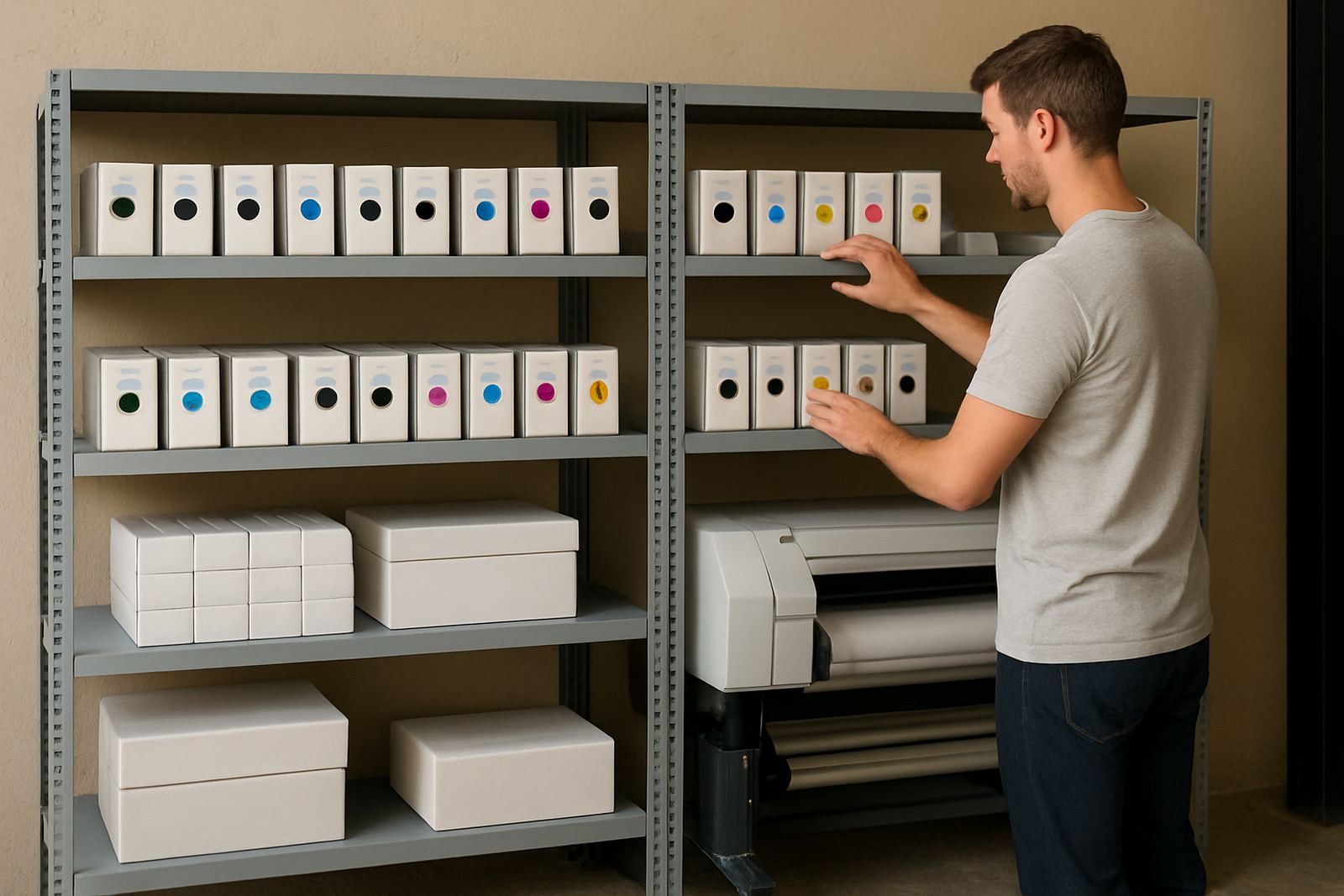
Monthly planning should include a safety buffer. For most active print rooms, one month of average use is not enough. A better starting point is normal use plus extra stock for the next heavy run. If your team works through load-shedding, traffic delays or courier cut offs, build in even more time.
In coastal areas like Cape Town, humidity can also affect storage conditions. Keep unopened ink and consumables in a cool, dry room away from direct sun and window heat. Poor storage can cause problems with print quality, especially where machines sit close to loading bays or unairconditioned stock rooms.
- Keep one working stock level for the current month
- Keep a reserve for the next large job or client campaign
- Flag any colour that drops faster than expected
- Review stock before month end, not after the shortage starts
A practical rule is to check stock when you still have enough time to reorder without panic. If your last full order lasted 5 weeks, do not wait until week 5 to think about the next one.
Match ink choice to the printer and the media
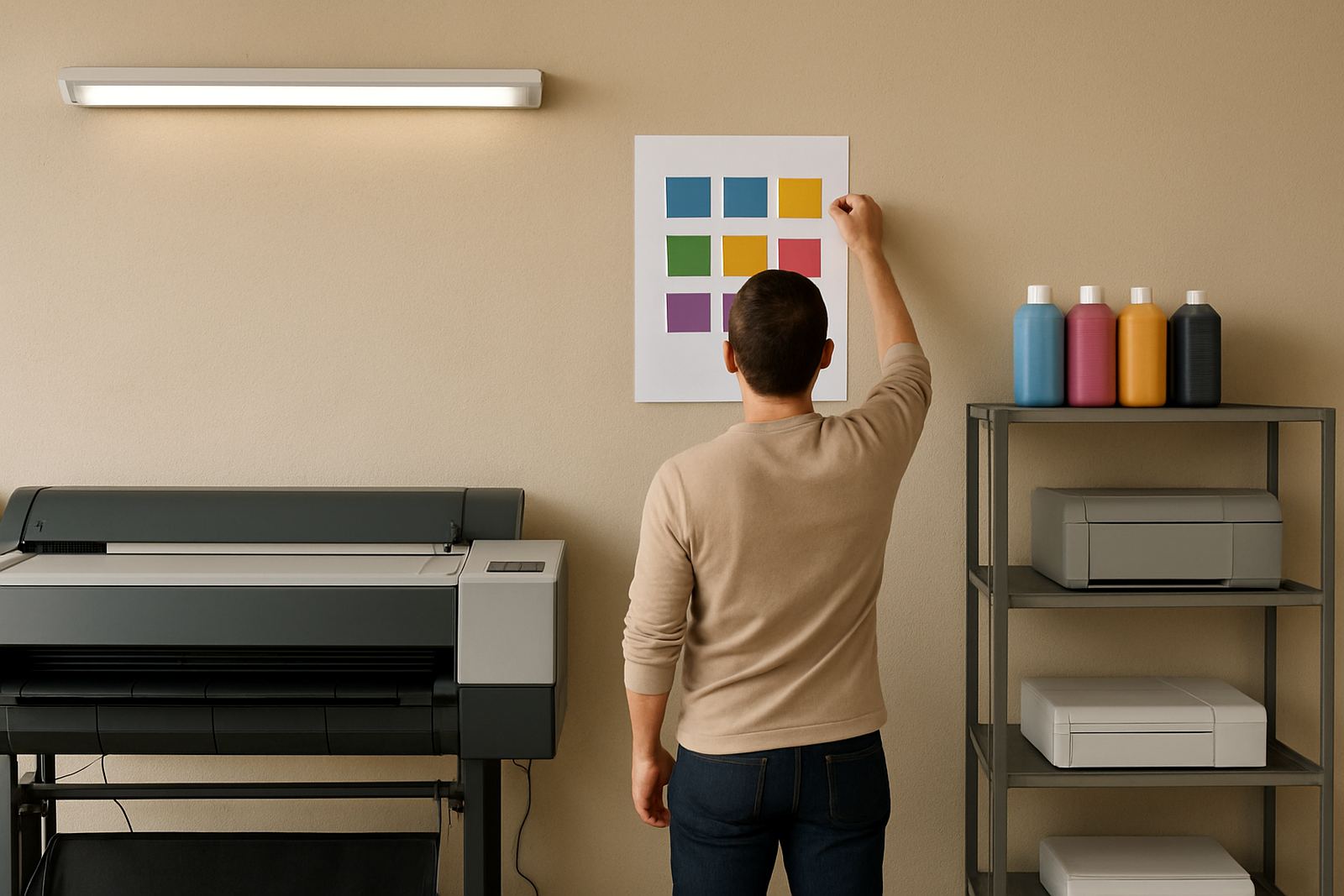
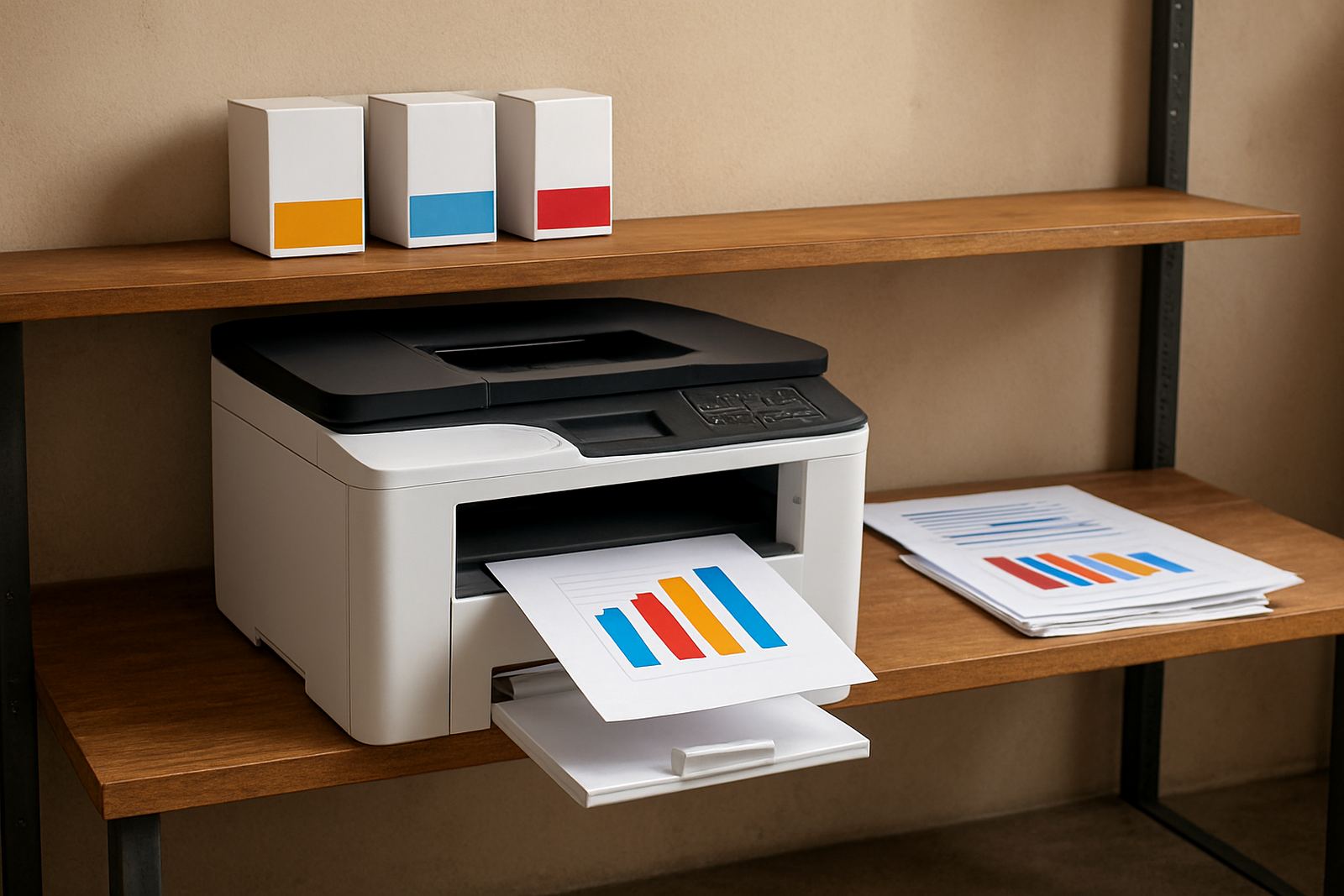
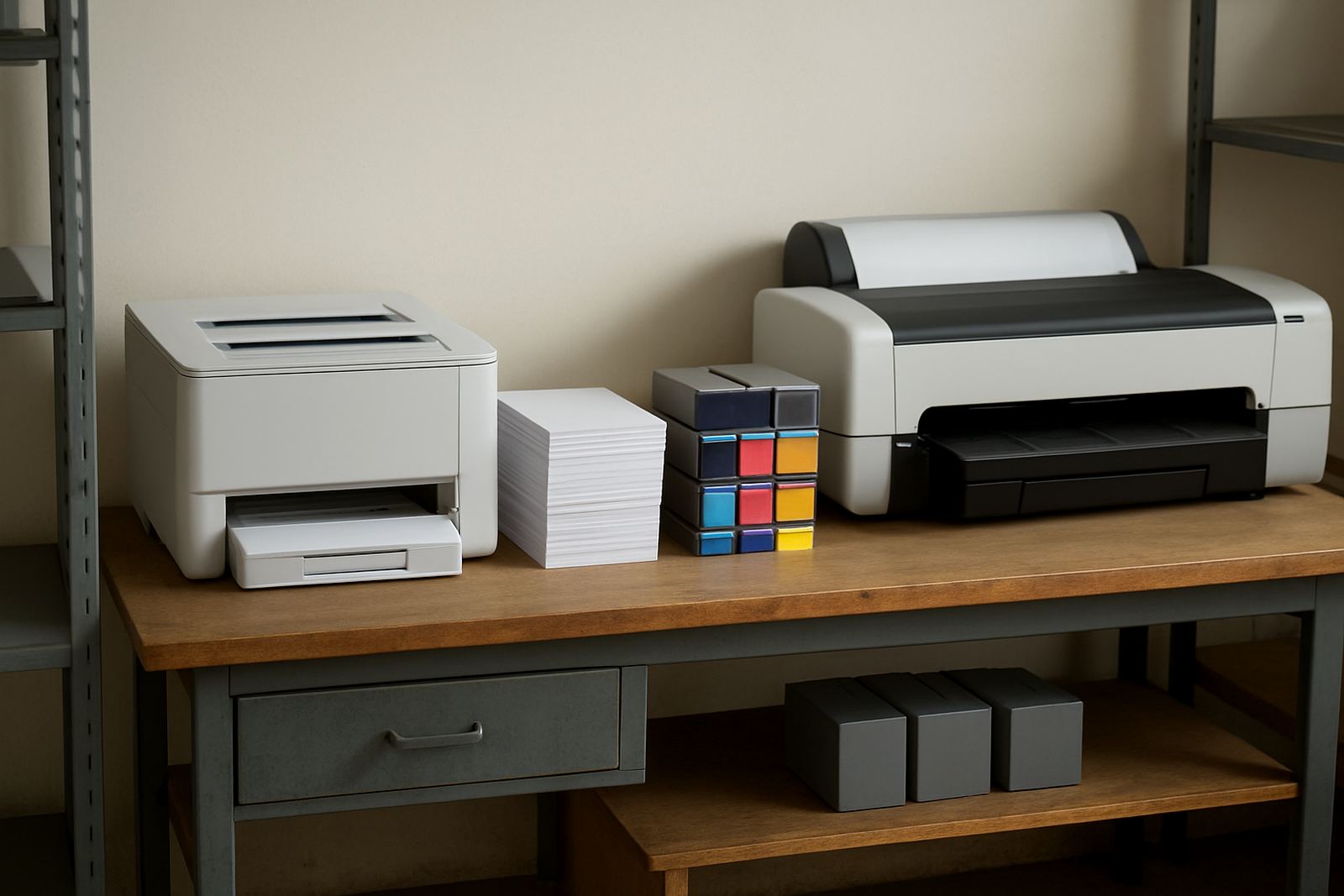
Ink planning is not only about quantity. The type of ink and the media have to work together. A desktop colour printer used for internal reports will not need the same plan as a wide-format machine producing posters, exhibition graphics or proof sheets on speciality stock.
When teams switch media often, planning should include which jobs need the best colour accuracy and which jobs can run on standard stock. This helps avoid wasting premium ink on work that does not need it. It also reduces the risk of having the wrong consumable on hand when a job is approved quickly.
At MyColour, practical advice often starts with one question: what are you printing this month, and on what material? That answer usually decides whether you need more of a specific colour, a backup set, or a media change before the job starts.
A simple monthly checklist for busy print rooms
A monthly routine makes shortages far less likely. The routine can stay straightforward, as long as the team sticks to it each month. Here is a workable checklist for a small to medium print room or office colour setup:
- Check current ink levels on every machine
- Review the previous month’s print jobs and spikes
- Confirm what jobs are booked for the next 2 to 4 weeks
- Look at media stock alongside ink stock
- Set reorder points for fast moving colours
- Note any recurring print quality issues
- Plan for public holidays, month end and school terms if they affect your workload
If you keep this list with your service records, it becomes easier to spot patterns. For example, one colour may run low every time a marketing team launches a new campaign, while another machine may need more frequent attention after a stretch of high volume work.
Local example from Ndabeni to Somerset West
Consider a small design studio in Ndabeni that prints colour proofs, client presentations and the odd poster for a retail customer. During a normal month the team may use steady amounts of ink, but in the last 10 days before a campaign launch, colour use can double. If stock is only ordered when the last cartridge is nearly empty, the studio risks stopping work while waiting for delivery.
A better plan is to review monthly job bookings, then place a top up order before the rush starts. That same logic helps offices in Bellville, Claremont and Somerset West where a mix of internal printing and external client work can quickly stretch supplies. Courier supply nationwide can cover longer lead times, but local stock planning is still the safest option.
For teams that work across several sites or share one printer between departments, appoint one person to check stock and log usage. That stops the common problem of two people assuming someone else has already ordered.