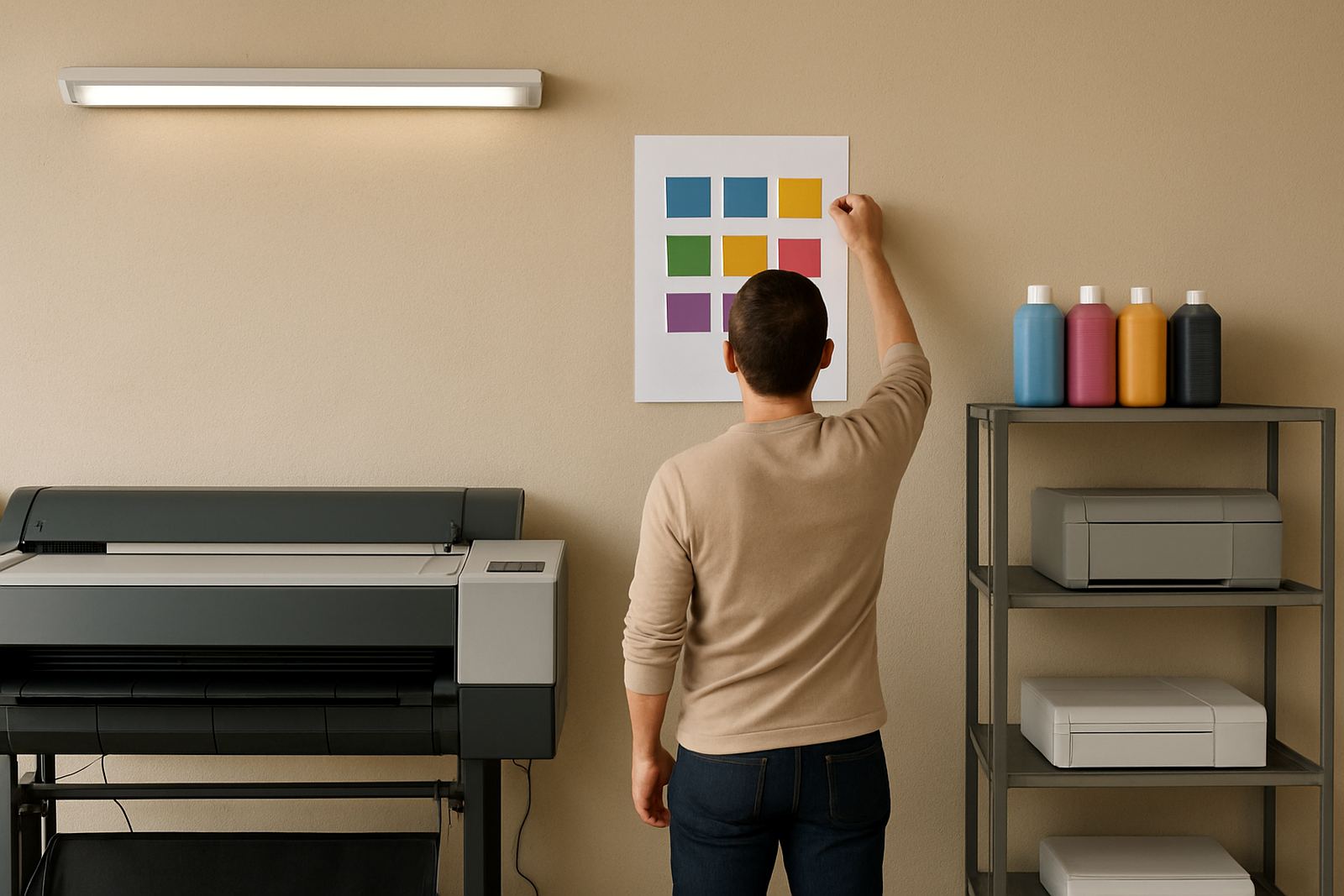
Start with the job, not the printer
A consistent proof routine begins before anyone presses print. The studio needs a short checklist for the job at hand: what the client expects, what the final use will be, and whether the proof is for colour only or also for size, crop and finish. A packaging mock-up, a retail poster and a portfolio sheet all need different levels of attention.
In practice, that means naming the file clearly, confirming the paper or film, and checking whether the proof should match a coated stock, uncoated stock or a sign vinyl face. If the team starts with the wrong media assumption, every adjustment after that is guess work.
- Confirm the intended final use before printing the first sheet
- Note the media type and finish on the job ticket
- Agree who signs off the proof and by when
Keep one colour standard for the whole room
Colour consistency is easier when the studio uses one standard viewing habit and sticks to it. Proofs viewed under a bright window will not look the same as proofs checked under a neutral lamp. The same goes for changing paper types from job to job without recording it properly.
For teams handling everyday colour work, a simple routine helps. Print the same test strip at the start of the day, compare it to the approved reference, and keep a note of any drift. If the machine is fine in the morning but shifts by lunch time, the issue may be heat, humidity or a low ink channel rather than the artwork itself. In summer near the coast this can happen more often than people expect.
- Use the same viewing light for all sign off checks
- Keep an approved sample file for key clients
- Record any changes in temperature, humidity or media batch
Match the media before you chase the colour
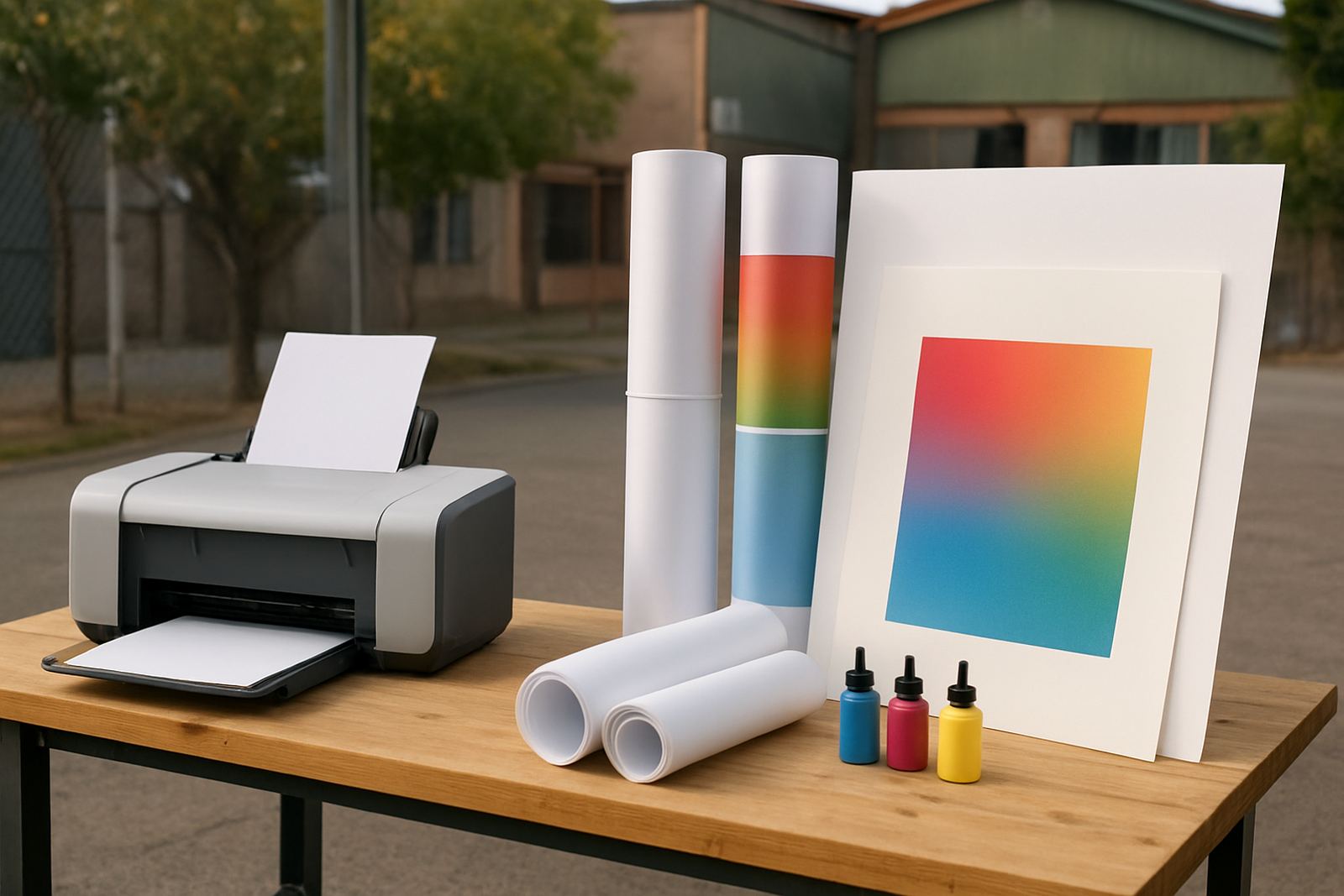
Many studios try to fix a colour complaint when the real problem is the sheet under the image. A proof on a bright white coated stock will hold detail differently to a matt presentation stock or a heavier sign sheet. Ink choice matters too, especially where there is a shift between office colour work and wider format pieces.
A practical media matching step means printing one controlled sample on the intended stock, then checking density, drying time and edge sharpness. If the ink sits too wet or the blacks look soft, the team needs to adjust the media choice or printer profile before the client sees the result. One clean sample can save a whole reprint run.
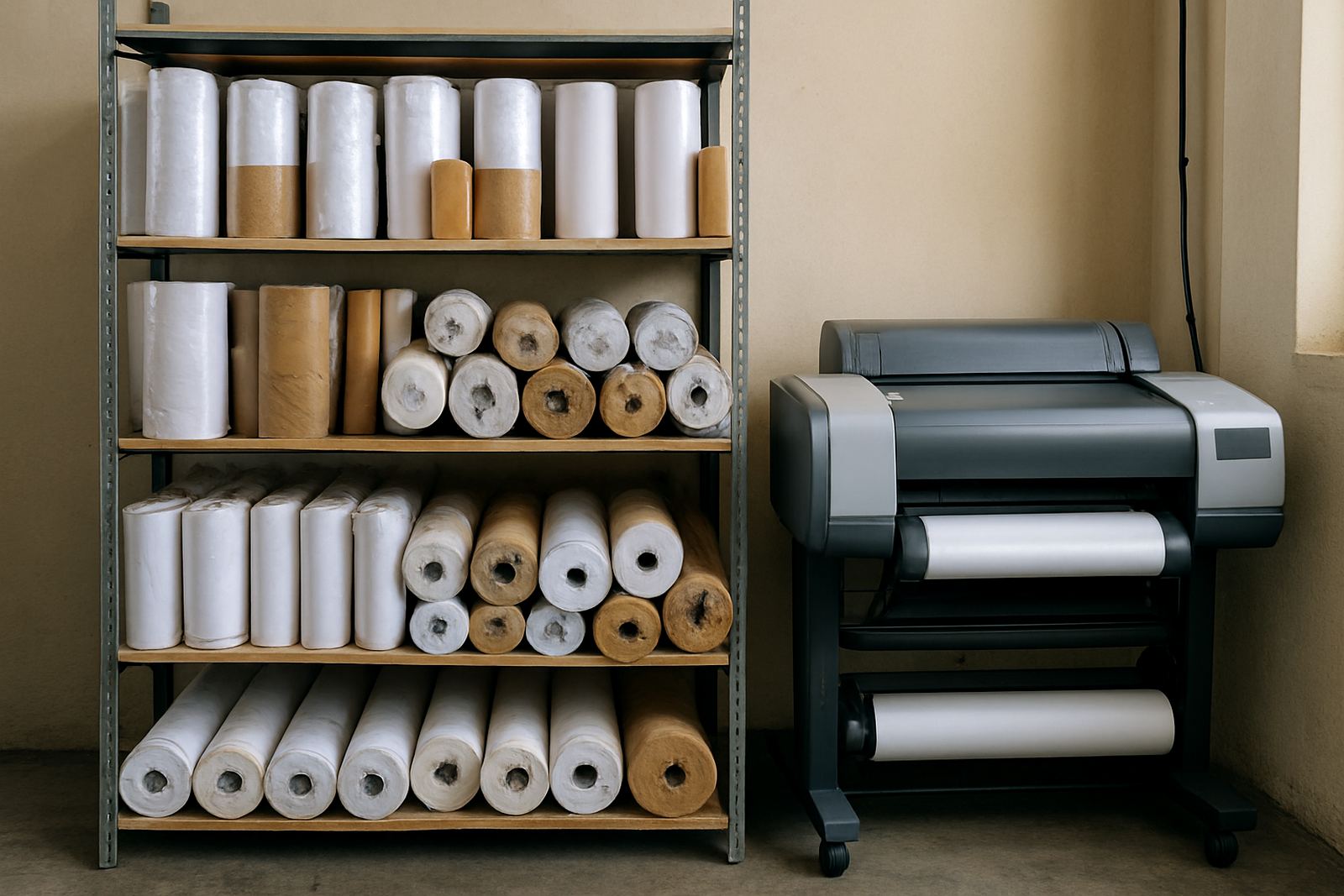
For studios in places like Ndabeni or Montague Gardens, where jobs move quickly between design and dispatch, it helps to keep the most used media on hand in clearly marked packs. That way the proof stage does not become a hunt through the store room.
Build a proof sheet that answers questions fast
A proof sheet should do more than show a pretty image. It should answer the practical questions a client will ask once the file lands on their side of the table. Is the skin tone steady, are the corporate colours close enough, and does the small text remain legible at actual size?
Teams that work this way usually save time by printing a standard proof page with a colour bar, key image crops, small type samples and a note block for material and date. If there is a reprint, the team can compare like with like instead of arguing over memory.
- Include a colour bar and small text sample on every proof
- Mark the media, date and operator details on the sheet
- Keep one approved reference for repeat clients
It is also worth building in a quick visual check after the sheet comes off the printer. Curling edges, faint banding or a patchy solid block often point to a feed issue, clogged nozzles or the wrong drying time. Catching that at the bench is better than hearing about it from the client the next morning.
Set a simple maintenance rhythm
Proof routines break down when printers are left to sit untouched through load-shedding, school holidays or a slow week. Nozzle checks, head cleaning and ink level checks should sit on a weekly rhythm, with a deeper check before any important campaign or large proof batch.
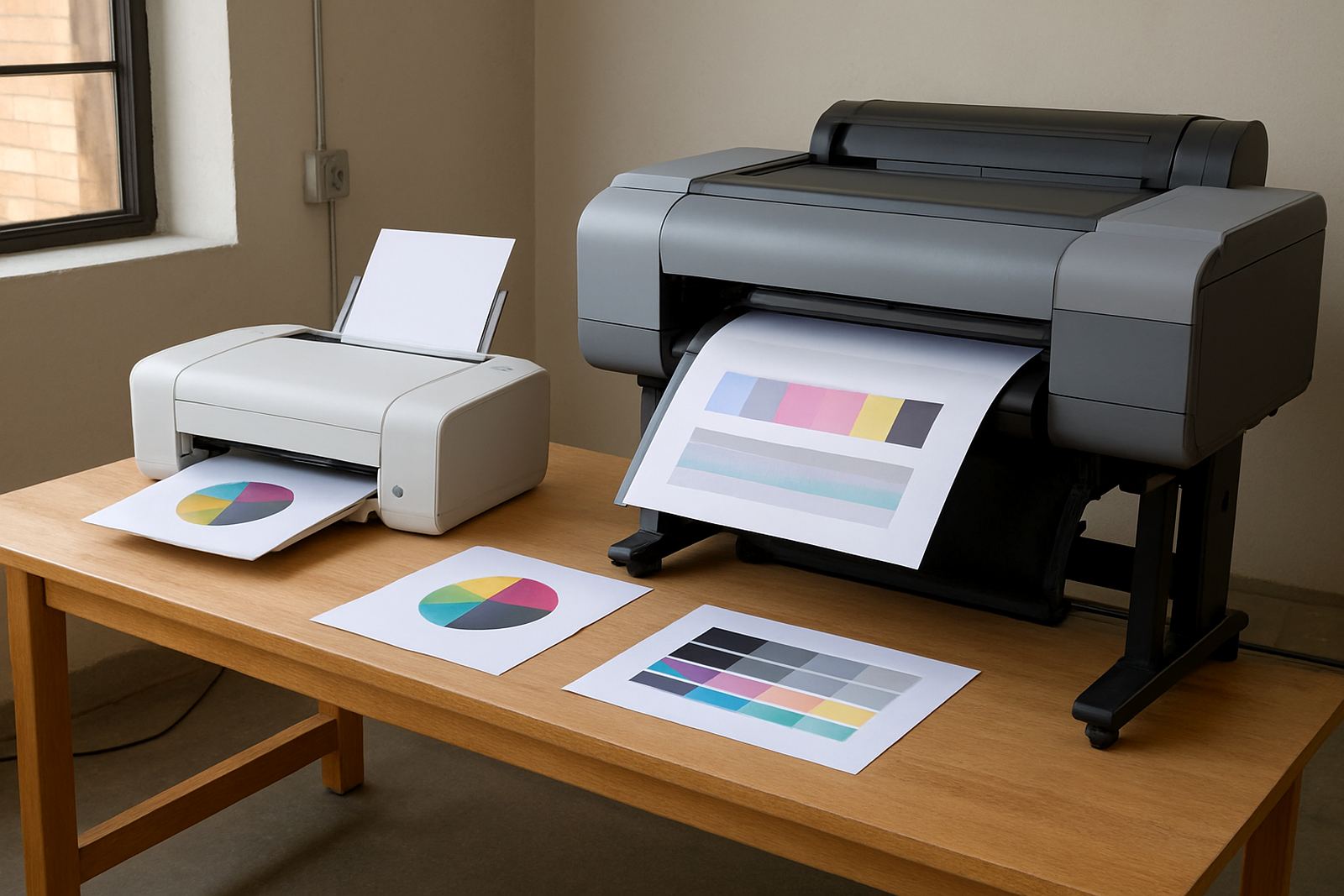
For mixed studios that run both small colour printers and larger format machines, a preventive plan keeps the whole room calmer. Service notes should show which machine needs attention, what ink set it uses, and which media has been causing trouble. If one machine starts holding back while the others keep moving, that note trail gives the technician somewhere to start.
- Run a nozzle check at the start of the week
- Inspect rollers and feed paths for dust or paper fibre
- Top up ink supply before it reaches a critical level
Use a sign off flow that keeps the studio moving
A proof routine works best when everyone knows where the job pauses and where it moves again. In a busy Cape Town studio, one person may be checking colour while another is preparing courier collection, and a third is speaking to the client about changes. If that handover is not clear, the job stalls.
Good studios keep the sign off flow short. The proof is printed, checked, marked up if needed, and either released or revised within the same day. If collection is needed, the proof and all notes should travel together. For nationwide work, the same principle applies, just with better labelling and firmer packing so the sample arrives in usable condition.
A local example is a sign shop in Ndabeni that prints store launch proofs for clients in Bellville, Claremont and Somerset West. When the proof sheet includes the media note, operator initials and a clear approval mark, the follow-up call takes minutes instead of half an hour. That is the sort of small routine that keeps the print room moving, even when the phone does not stop ringing.