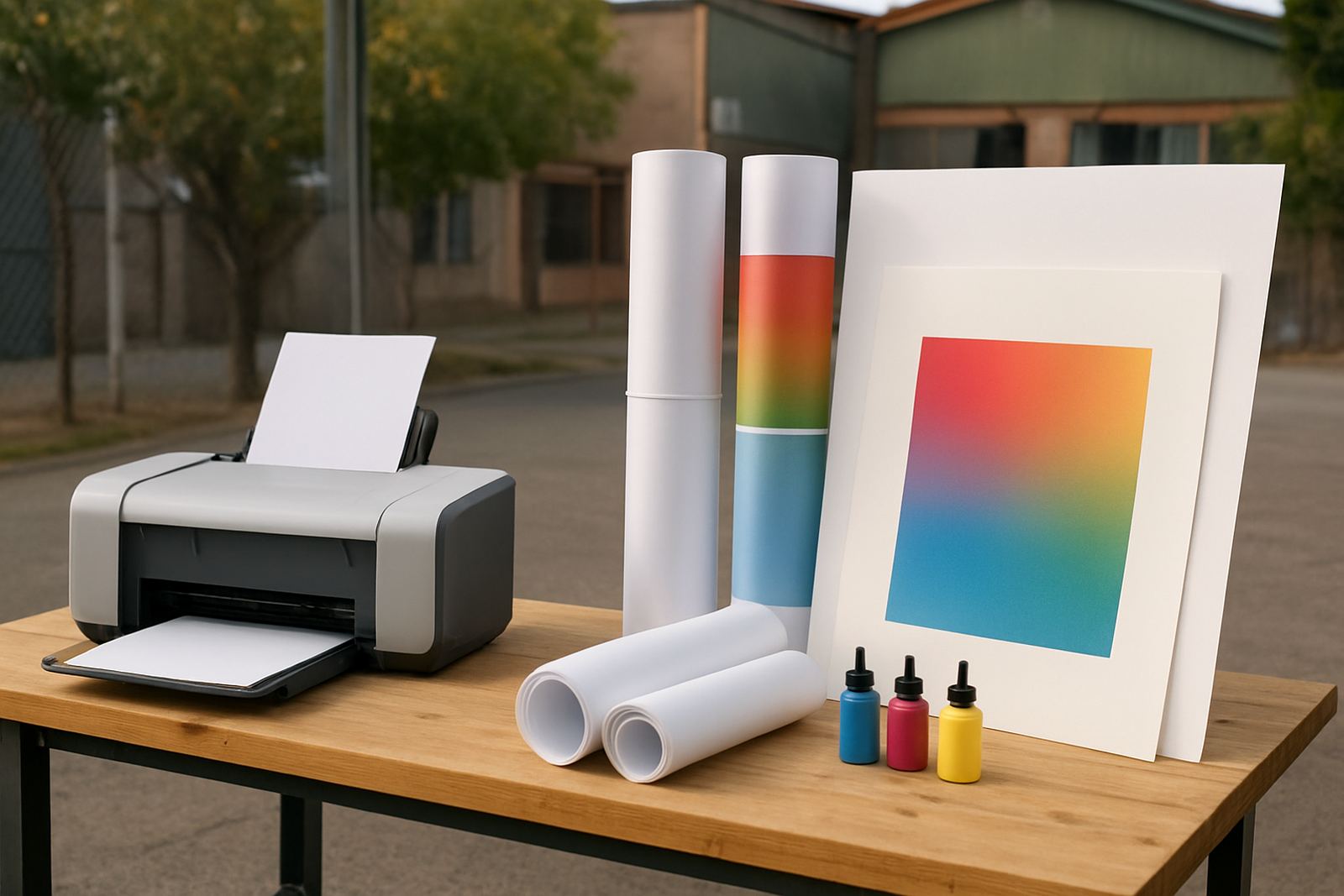
The point where A4 starts costing you more than it saves
A standard office colour printer can handle reports, handouts and the odd A4 proof. Once your work shifts to posters, signage proofs or regular large colour output, the limits show up fast.
Most offices start with one colour printer and keep pushing it until the output says enough. The first signs are usually simple: jobs queue up, reprints happen more often, and people begin scaling artwork down just to fit the machine. That might work for a few months, but if colour is part of how your team earns money or wins work, the office printer becomes a bottleneck.
A wide-format machine is not only about size. It is about matching the printer to the way you work. If you are producing proofs for a sign shop, internal point of sale material, maps, presentation graphics or short-run posters, going wide can save time and reduce handling. It also gives you better control over margins, crop marks and media choice.
- You regularly print larger than A4 or A3
- Staff are trimming and taping sheets together
- Colour accuracy matters before client approval
- You are redoing jobs because the printer cannot hold the media
Jobs that force the issue in Cape Town offices
In Cape Town, the push to wide-format often starts in design studios, print rooms and sign shops around Ndabeni, Montague Gardens and Woodstock. One week it is a set of A3 concept boards, the next it is poster proofs for a retail rollout or a run of presentation visuals for a property team. Once the same printer is being used by multiple people for different media, the workload gets messy.
Humidity near the coast can also affect some papers and inks, especially if media is stored open or moved between cold stores and warm rooms. Offices in Somerset West or Claremont may see this less than coastal sites, but the issue still shows up in winter when paper curls or prints dry slower than expected. A wide-format setup with the right consumables can handle these conditions better, provided the media is matched properly.
- Poster mock-ups for retail and hospitality
- Signage proofs before production starts
- Architectural or site presentation prints
- Marketing boards for meetings and exhibitions
If your team is couriering samples to clients across Gauteng, Durban or the Winelands, a neat, accurate proof matters. Folding a colour print or squeezing it into an envelope does not leave the right impression.
What changes when you move from office colour to wide-format
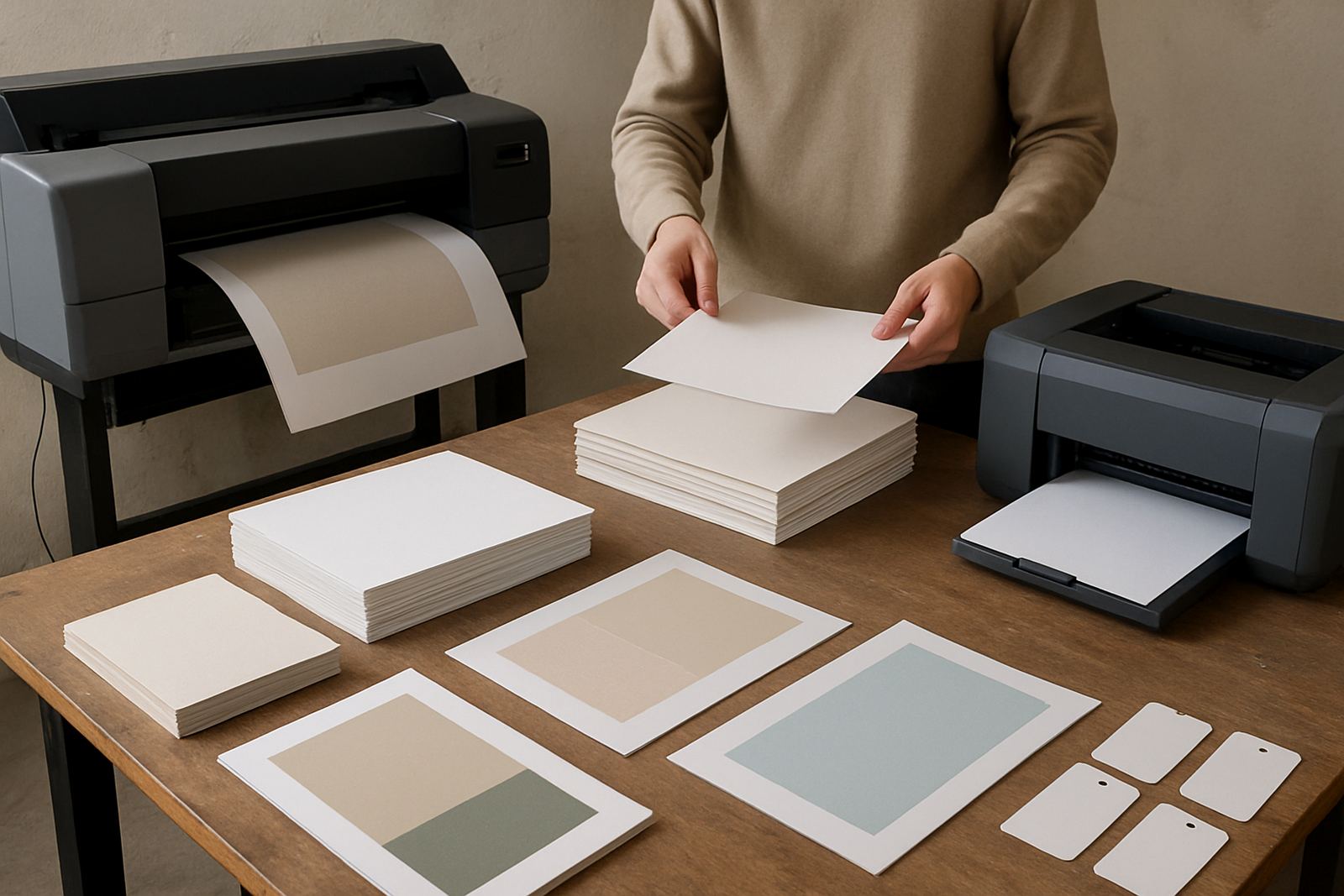
The first change is control. A proper wide-format printer gives you more say over media width, output length and ink choice. That means you can print on the stock that suits the job rather than forcing every project onto one paper size. For many businesses, this is where waste drops because fewer jobs need to be reprinted or hand finished.
The second change is planning. Wide-format work needs ink supply planning, media matching and routine checks. It is not difficult, but it does need a bench approach. Someone has to know when to top up consumables, when heads need a check, and how to keep the printer ready after load-shedding or a weekend shutdown. If the machine is left idle too long, clogging and banding can creep in.
Here is a simple way to judge whether it is time:
- If staff are printing large files more than twice a week, consider wide-format
- If you are outsourcing poster work regularly, compare that cost with owning the printer
- If colour proofs are holding up approvals, the printer is probably too small for the job
- If your current unit is running near full capacity most days, it is time to step up
A local example from a busy print room
A small design studio in Bellville started with one desktop colour printer for invoices, presentations and client handouts. Soon they were also printing A2 mock-ups, mock signage and retail visuals by tiling sheets together. The team spent too much time trimming edges, and the final proofs still did not reflect the finished piece properly.
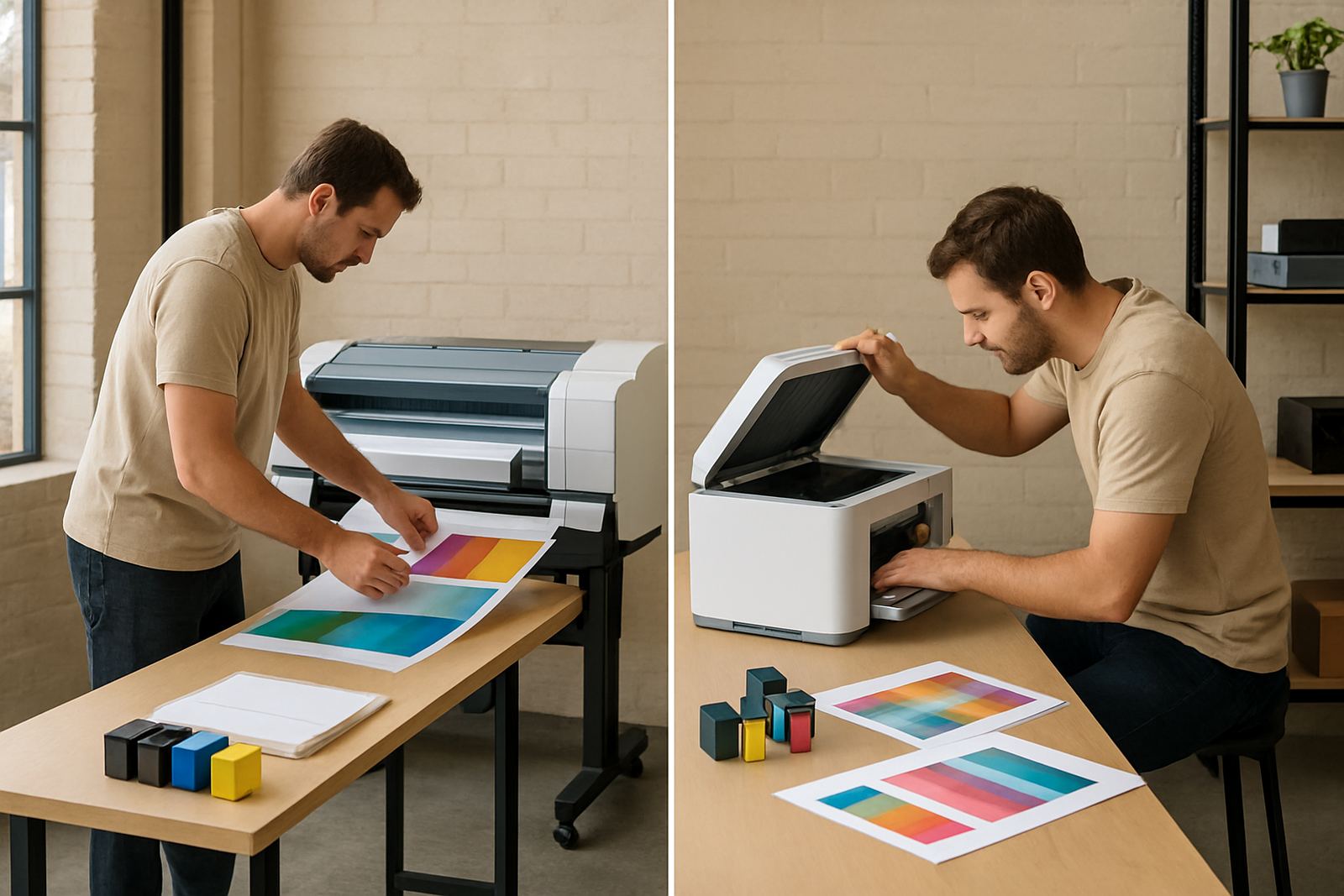
After moving to a wide-format setup, they kept the office printer for admin work and used the larger machine for proofing and short-run colour output. The result was not just bigger prints. It was fewer interruptions, cleaner approvals and better use of staff time. Their dispatch team also stopped sending urgent files to outside suppliers at the last minute, which helped with deadlines.
That sort of shift is common. The business is not necessarily printing more overall, but it is printing better for the type of work it already has. And once the team gets used to having the right machine for the job, going back feels clumsy.
Keeping a wide-format printer productive
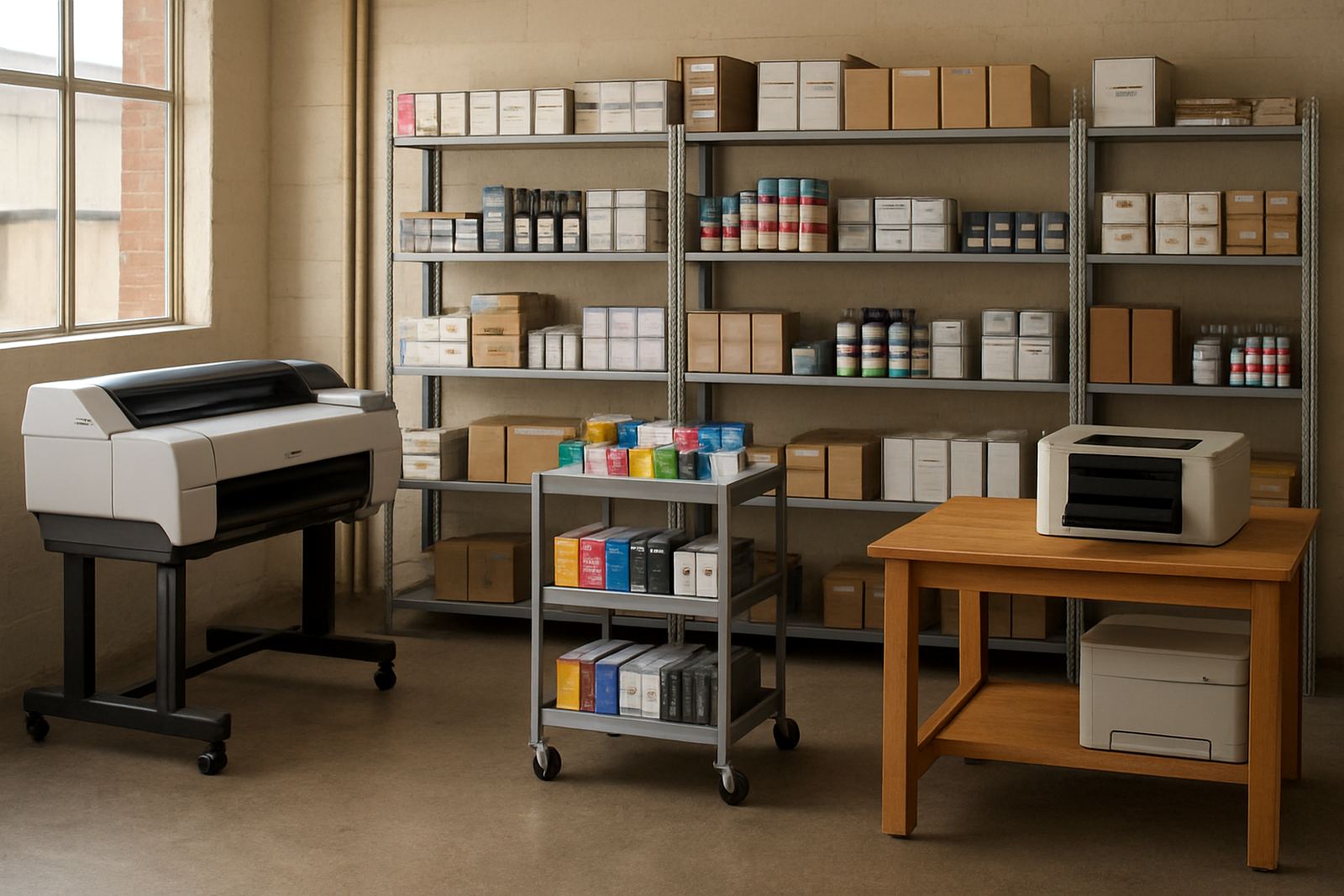
Buying the machine is only half the decision. To keep it useful, you need a plan for setup, maintenance and supplies. That includes a clean place for media, regular print quality checks and someone who understands the basics of user handover. If multiple people will run jobs, simple rules help avoid mistakes like wrong orientation, incorrect paper type or wasted ink on test prints.
We also find that remote help and collection coordination matter more than people expect. A print room in Ndabeni may be fine on a normal day, but if a job is urgent and a part or cartridge is needed before the next delivery, quick communication saves the day. The same applies to businesses in Claremont, Montague Gardens and Somerset West that need consumables reordered before stock runs out.
- Keep media sealed and stored flat
- Run test checks after long weekends or power interruptions
- Match paper and ink to the job, not just the price
- Schedule preventive maintenance before problems start
When the right printer, ink and media are working together, wide-format stops being a special event and becomes part of the normal production flow. That is when it starts paying its way.