
Why proof cycles slow down in the first place
Most review delays are not caused by the design work itself. They come from waiting for a printer at a copy shop, unclear file settings, courier delays, or a proof that looks different on the second run. When a team needs to approve a brochure, sign panel or launch poster, even a one day delay can push a production slot and create pressure across the whole job.
In-house colour printing changes that rhythm. A studio can print a first proof before lunch, mark it up after the client call, then send a revised version the same afternoon. For Cape Town teams in Ndabeni, Montague Gardens or Woodstock, that can mean a review round happens in hours instead of days. The smaller the gap between design and print, the less chance there is for version confusion or last-minute panic.
What gets approved faster when the proof is printed on site
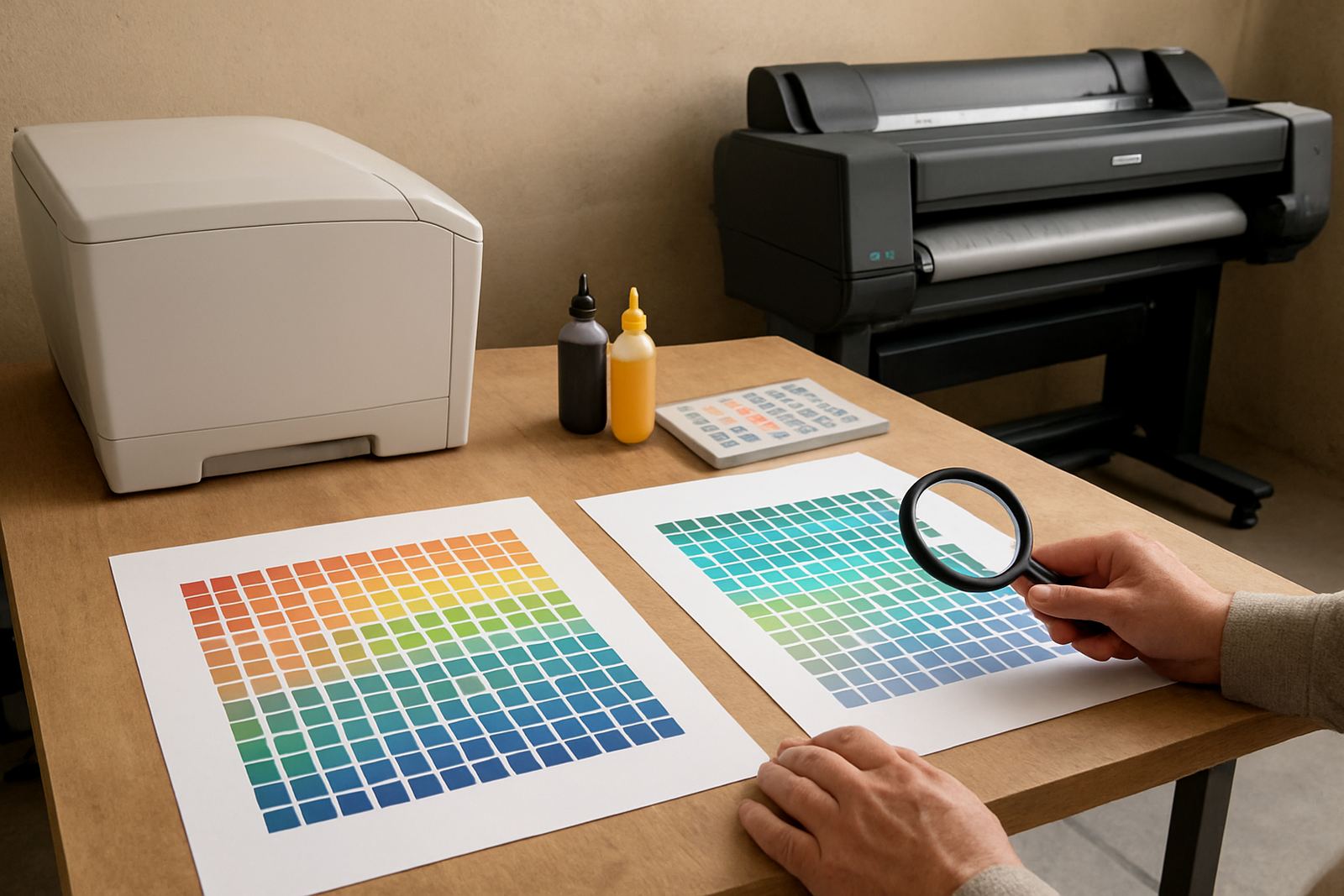
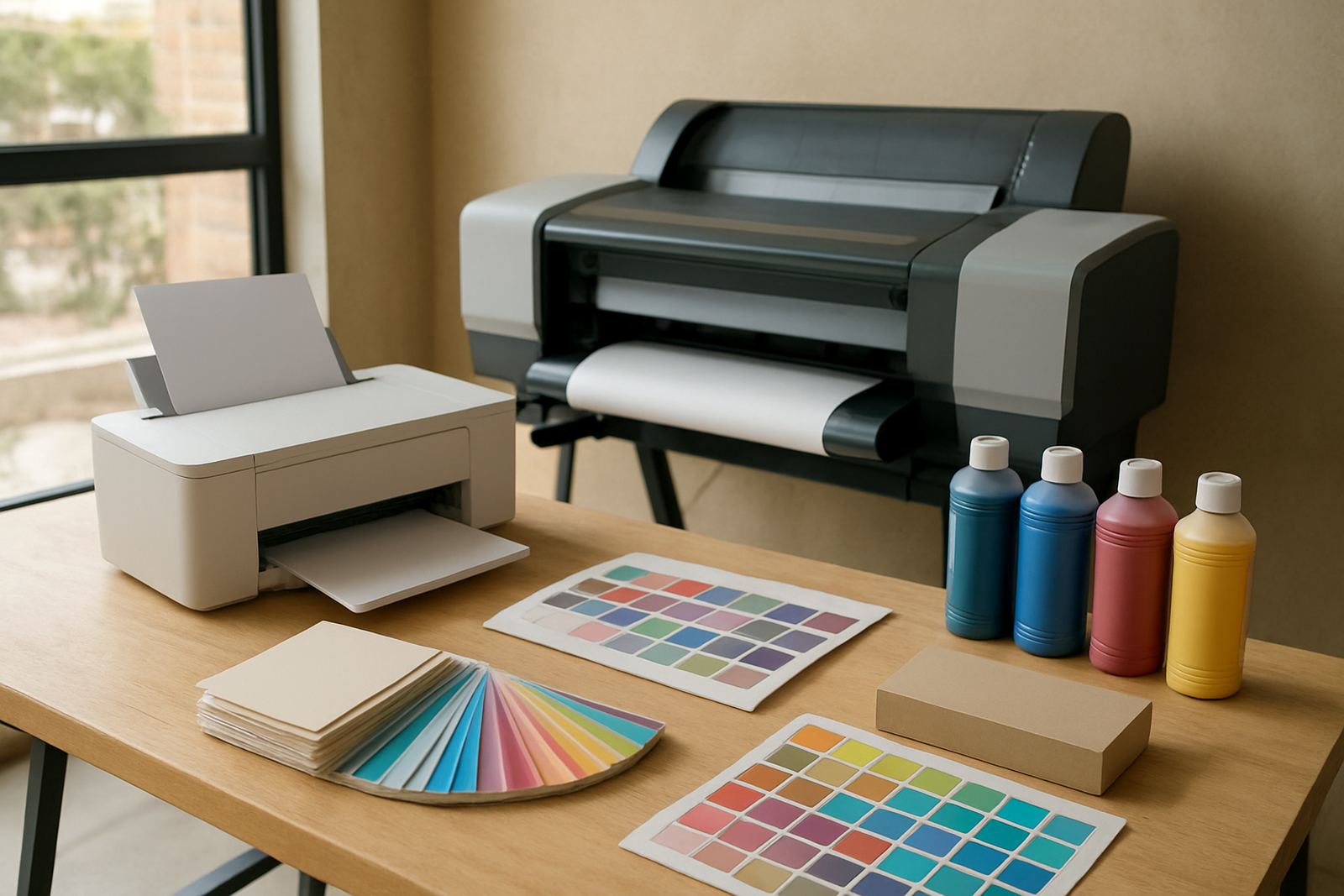
Teams usually do not need a final commercial run on the first pass. They need a clean, readable sample that shows layout, colour tone, image placement and finishing intent. A good desktop inkjet colour printer handles everyday sign-offs very well, while a larger format machine gives proper scale for posters, point of sale boards and presentation sheets.
In practice, in-house proofing helps with:
- Colour comparison between screen and paper before a full print run
- Checking spelling, crop marks and layout spacing
- Confirming paper choice for matte, gloss or coated stock
- Measuring sign panels and poster sizes without guesswork
- Testing whether text stays readable from 1.5 m or 3 m away
Once the team can print these checks on site, they stop using couriered samples as the only quality gate. That saves time and avoids the common problem where the client changes one line after the whole batch has already been ordered.
A Cape Town example from brief to board
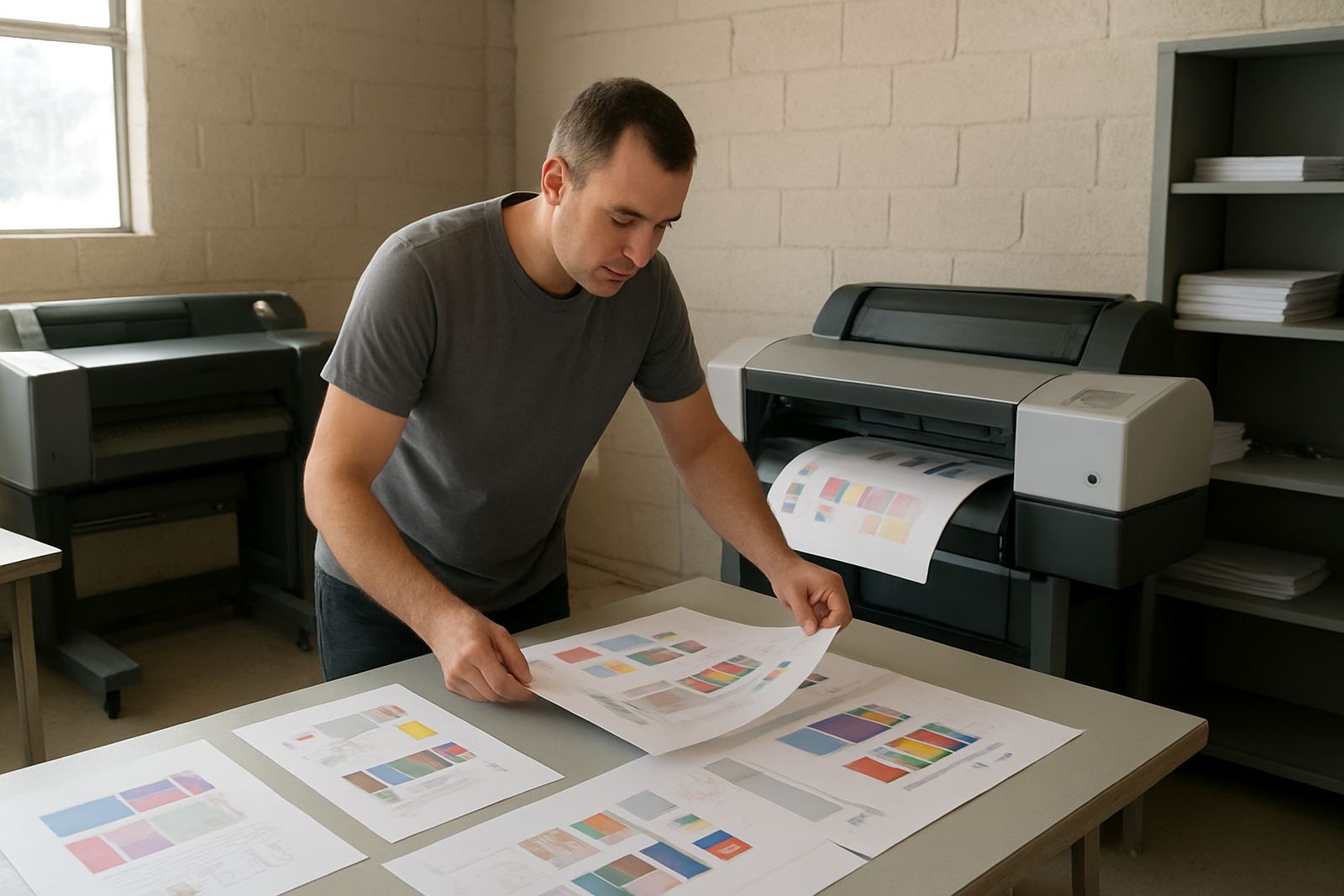
Think of a marketing team in Claremont preparing a seasonal retail promotion for several branches. The designer finishes the artwork at 09:30, prints an A3 proof in the office and walks it to the brand manager for notes. By 11:00 the logo size is adjusted, a product image is replaced and the price block is tightened. A second proof is printed straight away. By 13:00 the team has sign-off and sends the file for production.
Without local colour printing, that same review may have involved sending a PDF to a printer in another area, waiting for a courier, then booking a second delivery after the corrections. In a city where traffic, loading bays and weather can all affect timing, keeping the proof cycle inside the office or studio saves a surprising amount of effort. It also helps in the Cape winter when damp air can curl media and complicate drying if the job is handled too soon.
For teams near Somerset West or Bellville, the same logic applies when courier supply is the fallback and not the first step. The proof can be checked locally, then the final print plan is confirmed with fewer surprises.
Matching the machine to the review job
Not every team needs the same colour setup. A small studio doing client mock-ups, internal packs and short approval runs may only need a desktop colour printer with the right inks and paper guidance. A sign shop handling posters, presentation boards and longer panels will usually need a wide-format machine that can take bigger media and hold colour consistently across the sheet.
The key is to match the machine to the review pattern, not just the final output. If staff print 10 to 20 proof pages a day, they need steady colour and simple consumable planning. If they produce A2 posters, trade show panels or long proofs for retail sites, the setup should also support proper media feed and sensible maintenance. That is where practical advice matters, because the wrong ink or paper can waste both time and stock.
- Use the printer size that fits the usual proof format, not the rare job
- Choose inks that suit the paper and drying time needed
- Keep spare consumables on hand before a campaign week starts
- Check whether the proof needs indoor viewing or window display conditions
- Plan for load-shedding so critical reviews are not stuck mid-job
How in-house printing reduces avoidable rework
Most rework happens because a team only sees the problem after the file has left the office. In-house printing brings the issue forward. A weak contrast decision, a line that runs too close to a trim edge, or a colour that looks muddy on the chosen stock can be corrected before money is spent on the full run.
That also helps finance and operations. Fewer reprints mean less waste, fewer courier charges and less time spent chasing a missing sample. It is especially useful for busy offices that handle internal notices, client packs and event material at the same time. When the first proof is right, the rest of the job flows more easily and the team can keep other work moving.
For Cape teams dealing with coastal humidity or air-conditioned offices, regular print quality checks matter as well. Media can react differently in summer and winter, and inks can behave differently on coated versus uncoated stock. A short check before the first run often saves a full afternoon of corrections.
What a practical support routine should look like
A good print bench is not only about the machine. It is about the routine around it. Installation should be followed by user handover, clear consumable reordering, and simple maintenance steps that staff can manage without calling for help every week. If the team understands how to load media, confirm colour settings and run a nozzle check, the proof cycle stays quick.
MyColour works this way from Ndabeni, with support across Montague Gardens, Woodstock, Claremont, Bellville and Somerset West, plus courier supply nationwide. The point is to keep colour work moving with the right advice at the right time, whether that means printer installation, wide-format setup, media matching or a quick remote help session when a job needs to go out the same day.
- Set a weekly print quality check for active machines
- Keep a simple log of paper types and ink use
- Plan replacement stock before the last cartridge runs out
- Train at least two staff members for basic operation
- Escalate to service before poor output becomes routine
The speed advantage is really a control advantage
Proof cycle speed matters because it gives teams more control. Creative work stays in the room longer, decisions are made on physical output, and approval moves forward with fewer handovers. That control is valuable in a city where deadlines are tight and teams often work across multiple branches or suppliers at once.
When colour printing sits in-house, a studio or office can react to client changes without losing the day. It can test, compare, correct and finalise while the job is still warm. That is often the difference between a rushed approval and a confident sign-off, and for many teams that difference shows up in the final result.