What a high volume inkjet printer does day to day
A high volume inkjet printer uses large ink tanks or high-capacity supply systems so frequent colour printing can run with fewer interruptions. That matters in a sign shop in Ndabeni, a design studio in Claremont, or a busy office in Bellville where colour output cannot wait for repeated cartridge swaps.
These machines are built for regular use, not the odd print here and there. They handle proofs, short-run posters, marketing material, internal notices and everyday documents with colour. The main gain is lower interruption, steadier output and simpler ink planning for teams that print daily.
- Suited to frequent colour jobs and mixed office print loads
- Useful where print quality must stay consistent through the week
- Better for teams that want predictable ink use and fewer stops
Size choices and the kind of work each one suits
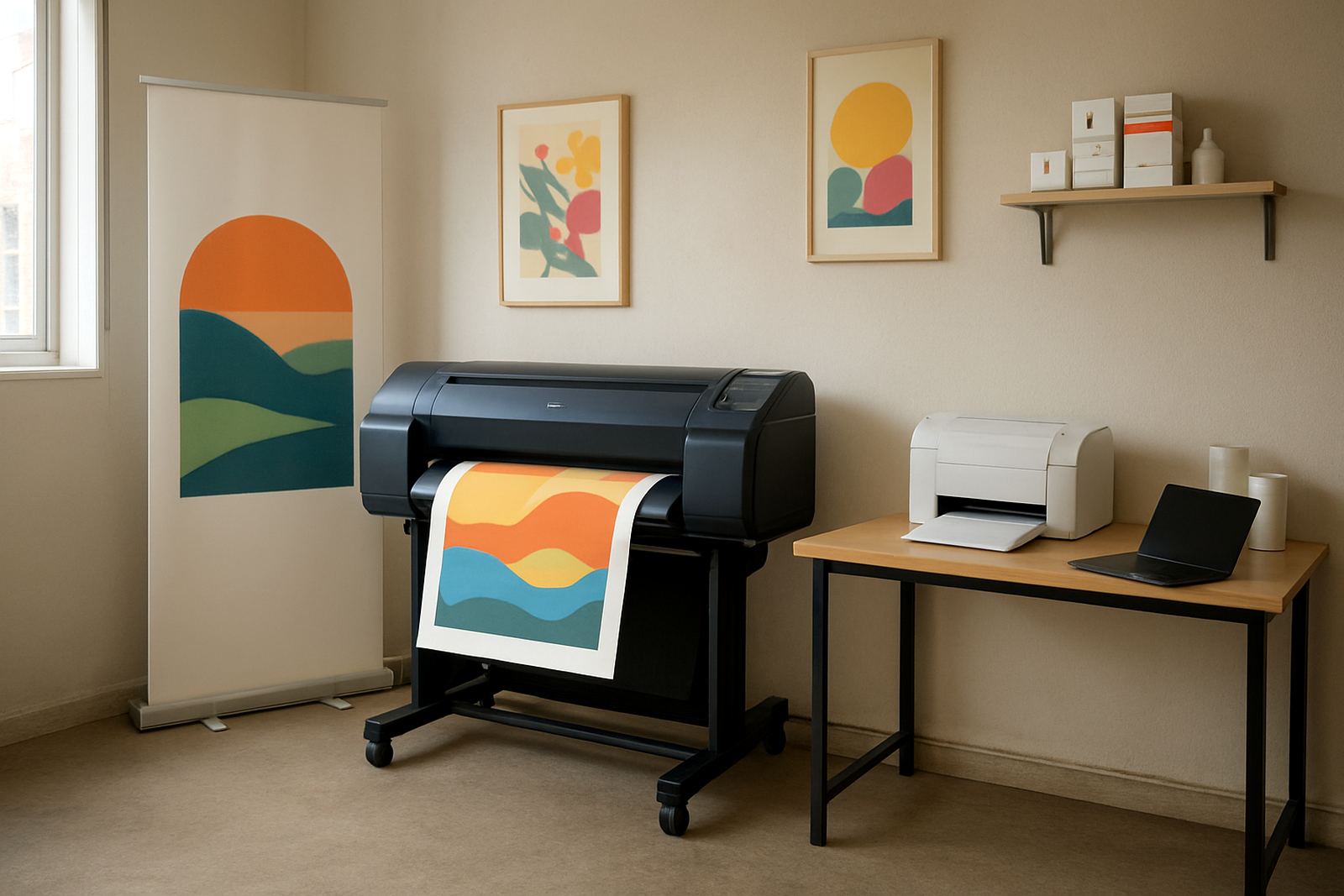
The range usually starts with compact desktop inkjet colour printers for smaller teams, then moves into larger high volume units and wide-format machines for bigger sheets and heavier media. Choosing the right size depends on sheet size, monthly volumes, colour accuracy and the space available in the office or production room.
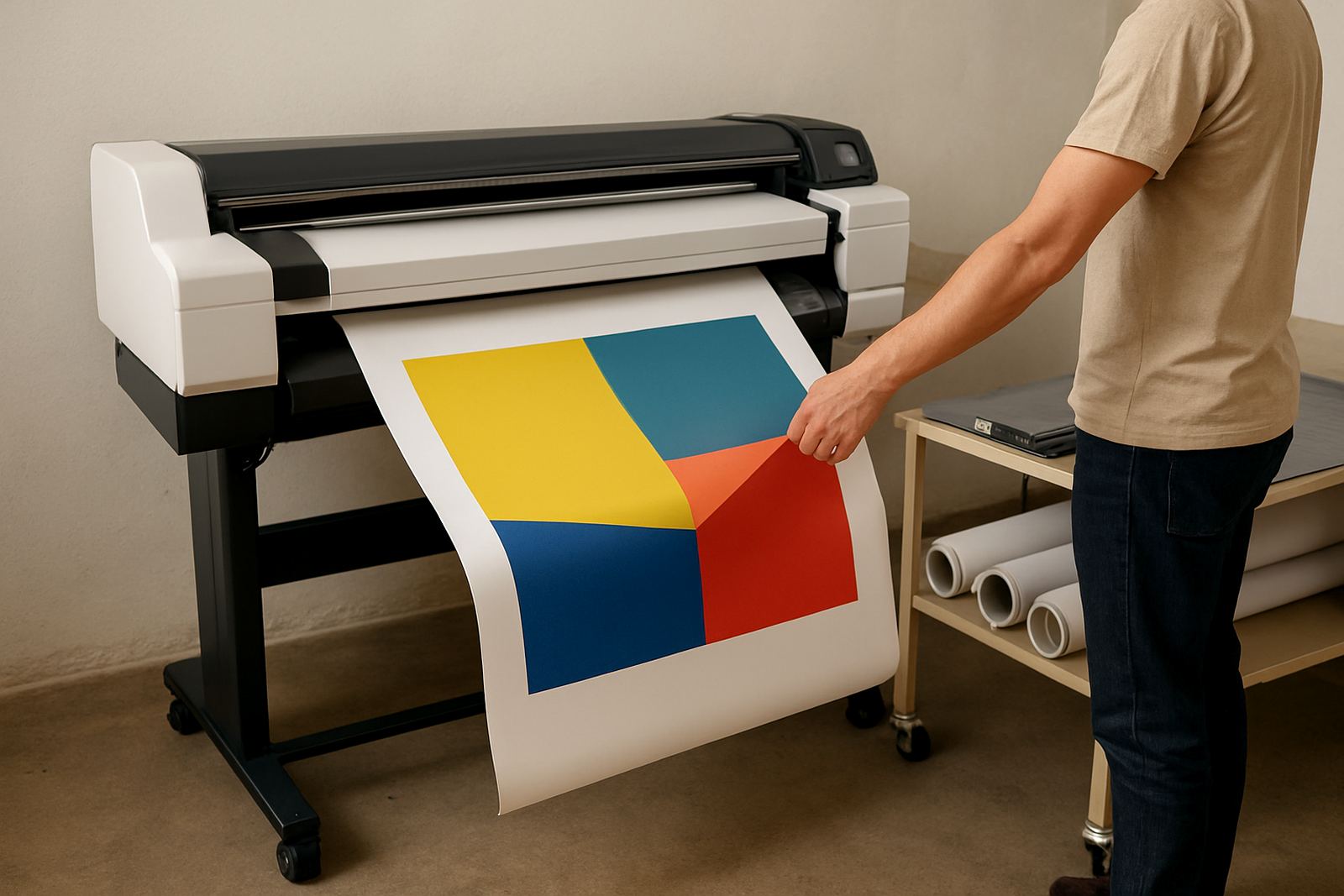
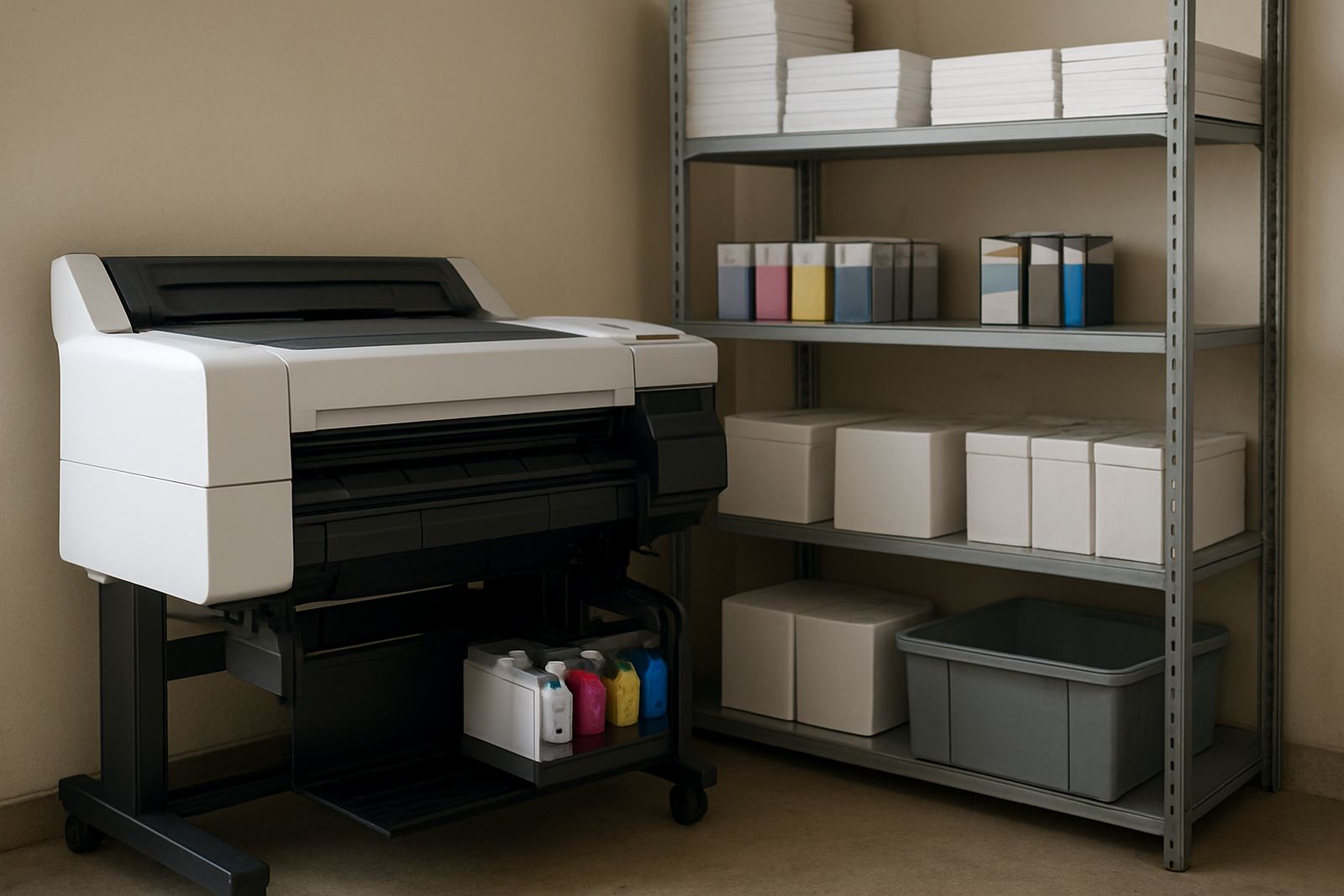
For A4 and A3 work, a compact or mid-size unit can be enough. For posters, presentation boards and signage proofs, a wide-format machine is often the better call. If your team is in Somerset West or Montague Gardens and prints for customers every week, the step up to a larger model can save time and reduce handovers between devices.
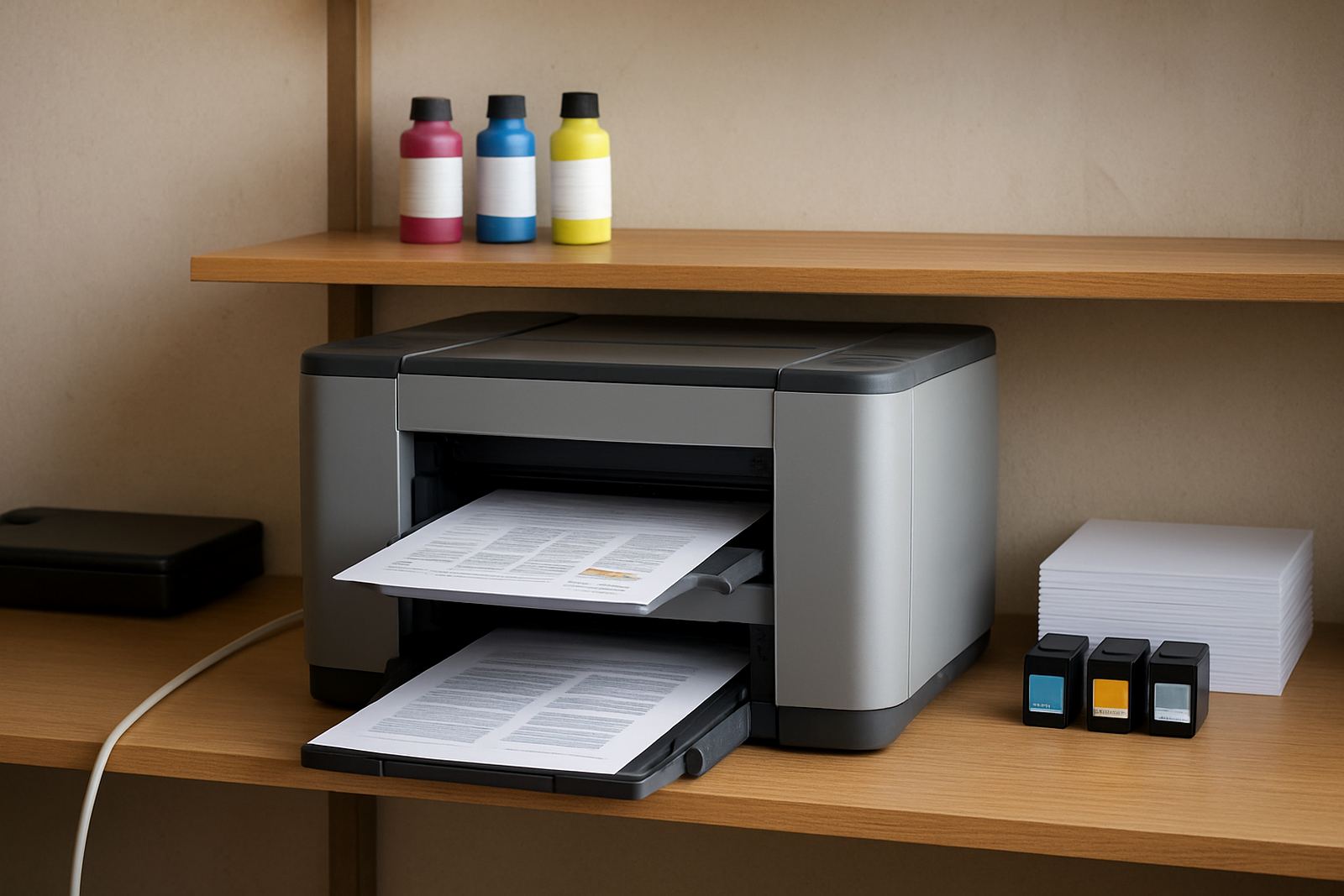
- Desktop size for A4 and light to medium office colour
- Mid-size tank printer for heavier monthly volumes
- Wide-format option for larger proofs, posters and signage work
Where high volume inkjet fits best in Cape Town
This type of printer suits design studios, print rooms, sign shops, marketing teams and branch offices that need reliable colour without a big production press. It also works well where jobs come in waves, such as month-end reporting, campaign runs or school and property marketing.
Because we are based in Ndabeni and courier nationwide, we can support teams in Woodstock, Claremont, Bellville and beyond. For customers near the coast, the right paper and storage matter too, since damp air can affect media feed and drying time. In inland areas, the main issue is dust and heat, so regular cleaning and correct room placement still help.
These printers are practical for teams that want one supplier for the machine, the ink and the consumables. That keeps ordering simpler and makes it easier to plan around busy periods or load-shedding windows.
Power, setup and space before the printer arrives
Most high volume inkjet printers need a standard South African mains power supply and a stable surface. They do not need gas. If the unit is larger or includes a drying or finishing add-on, allow for extra power points and enough space behind and beside the machine for servicing and media handling.
Before installation, check the room conditions, table or stand strength and network access. A printer in a back room with poor ventilation or repeated power dips will not perform as well as one set up properly from the start. In many offices we also suggest a surge protector and backup power plan, especially where load-shedding still disrupts daily work.
- Standard mains power, with surge protection recommended
- Level, sturdy placement with room for access panels and paper flow
- Network connection and operator access space for day to day use
Keeping colour output steady with care and servicing
High volume inkjet stays economical when it is maintained regularly. That means print head checks, nozzle cleaning, ink level monitoring and using the right media for the job. The printer should not be left idle for long periods if it is used for daily colour work, as dormant systems can waste time during restart and cleaning cycles.
Our service support covers preventive maintenance, print quality checks, remote help and collection coordination when a machine needs workshop attention. We also help with user handover so staff know how to load media, read error messages and spot early signs of banding or colour shift. One missed setting can cause a whole stack to be reprinted, so simple training saves money.
- Routine nozzle and head checks for consistent output
- Scheduled ink supply planning to avoid running dry
- Media matching for better drying, feed and colour results
What to confirm when ordering from MyColour
When ordering, check the main print size, monthly volume, colour accuracy needs and the media you use most. A sign shop that prints on coated stock will need different ink and media advice from an office producing brochures or internal notices. If your team works across Ndabeni and Bellville, it also helps to know who will receive supplies and who signs off on reordering.
We also look at whether the machine must handle photo work, proofing, presentation sheets or everyday office pages. If you need a faster workflow or bigger sheet sizes later, we can plan the step-up before the current machine becomes a bottleneck. That helps avoid buying twice.
- Sheet size, monthly volume and colour quality requirements
- Type of media used most often, including coated or heavier stocks
- Ink supply plan, reordering contact and delivery location
Key facts
| Product type | Large volume tank-based colour inkjet printer |
|---|---|
| Typical sizes | A4, A3 and selected wide-format options |
| Best use | Frequent colour printing, proofs, posters and office output |
| Power needs | Standard mains power, surge protection recommended |
| Support | Installation, setup, remote help and preventive maintenance |
| Supply model | Printer, inks and consumables matched for ongoing use |